Introduction to Art Photography in 2026
As we reach the end of 2026, art photography has continued to evolve in fascinating ways, merging traditional techniques with contemporary aesthetics. This article explores the current landscape of art photography, diving into how artists are pushing boundaries, embracing new styles, and reflecting on society through their work.
The Current Landscape of Art Photography
Art photography today is significantly influenced by the intersection of personal expression and societal commentary. Photographers are increasingly seen as storytellers, with the power to evoke emotions, challenge perceptions, and inspire change. This artistic movement emphasizes originality and emotional connection, championing unique narratives rather than mere visual appeal.
The Rise of Mixed Media in Art Photography
One of the most exciting trends in art photography is the integration of mixed media. Artists are experimenting with various materials and techniques, including:
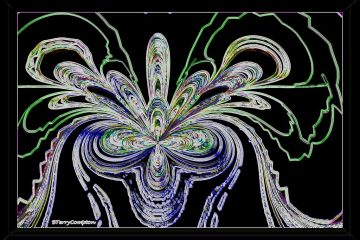
- Digital Manipulation: Many photographers use digital tools to enhance or alter images, creating a hybrid of real and imagined elements.
- Collage Techniques: By combining photographs with other materials, such as paint, fabric, or found objects, artists can create textured, multidimensional pieces.
- Installation Art: Some photographers are moving beyond traditional prints and exhibit their work in immersive installations, inviting viewers to experience their art in an interactive context.
Embracing New Technologies
While digital photography has been around for years, recent technological advancements have transformed how photographers create and display their work. Notable innovations impacting art photography include:
- Virtual Reality (VR): Artists are using VR to create immersive experiences, allowing viewers to step inside a photographic narrative.
- Augmented Reality (AR): Through AR apps, artists can enhance their photographs with interactive elements, providing layers of storytelling.
- AI and Machine Learning: AI tools assist photographers in curating their portfolios, analyzing audience engagement, and even generating unique artistic styles.
Art Photography as a Form of Social Commentary
In 2026, many photographers are using their work to confront critical social issues, from climate change to social justice. This approach not only raises awareness but also sparks meaningful conversations among viewers. For instance:
- Documentary Photography: Photographers are capturing real-world events and societal changes, bringing attention to underrepresented communities.
- Conceptual Photography: Artists create thought-provoking images that challenge viewers to reflect on complex themes, such as identity and belonging.
- Environmental Focus: Many art photographers are highlighting the impacts of climate change through their work, emphasizing the need for urgency and change.
Notable Voices in Contemporary Art Photography
As we navigate through 2026, several photographers have emerged as influential voices in the art photography scene. Their work encapsulates the spirit of contemporary art while pioneering new techniques and styles:
- Sophie Calle: Known for her conceptual approach, Calle continues to challenge boundaries between photography and personal narrative.
- Andreas Gursky: Gursky’s large-scale photographs capture the complexities of modern life and globalization, often incorporating digital manipulation to create hyper-real images.
- Nan Goldin: Goldin’s intimate photographs remain powerful commentaries on love, loss, and identity, resonating with audiences deeply.
The Future of Art Photography
Looking ahead, the future of art photography seems bright and full of potential. As technology continues to advance and artists explore new mediums, we can expect further experimentation and innovation in the field. Key trends to watch include:
- Enhanced Interactivity: As technology evolves, photographers will likely find new ways to engage audiences, creating experiences that go beyond traditional viewing.
- Increased Collaboration: We may see more collaborations between photographers and other artists, opening doors to unique interdisciplinary projects.
- Focus on Sustainability: With a growing awareness of environmental issues, artists are likely to adopt sustainable practices, from using eco-friendly materials to showcasing nature in their work.
Conclusion
Art photography in 2026 represents a dynamic fusion of traditional techniques and modern aesthetics, with artists embracing innovation while making powerful statements about society. As the field continues to evolve, it will undoubtedly inspire future generations to express their voices and explore the limitless possibilities of visual art.

0 Comments