Understanding the Essence of Art Photography
Art photography transcends mere documentation; it’s a vibrant form of expression that encapsulates the artist’s vision and philosophy. In 2026, art photography continues to expand as an influential medium, inviting viewers to engage with deeper narratives and emotional landscapes. Through the interplay of light, shadow, and color, photographers create images that challenge perceptions and evoke a spectrum of responses.
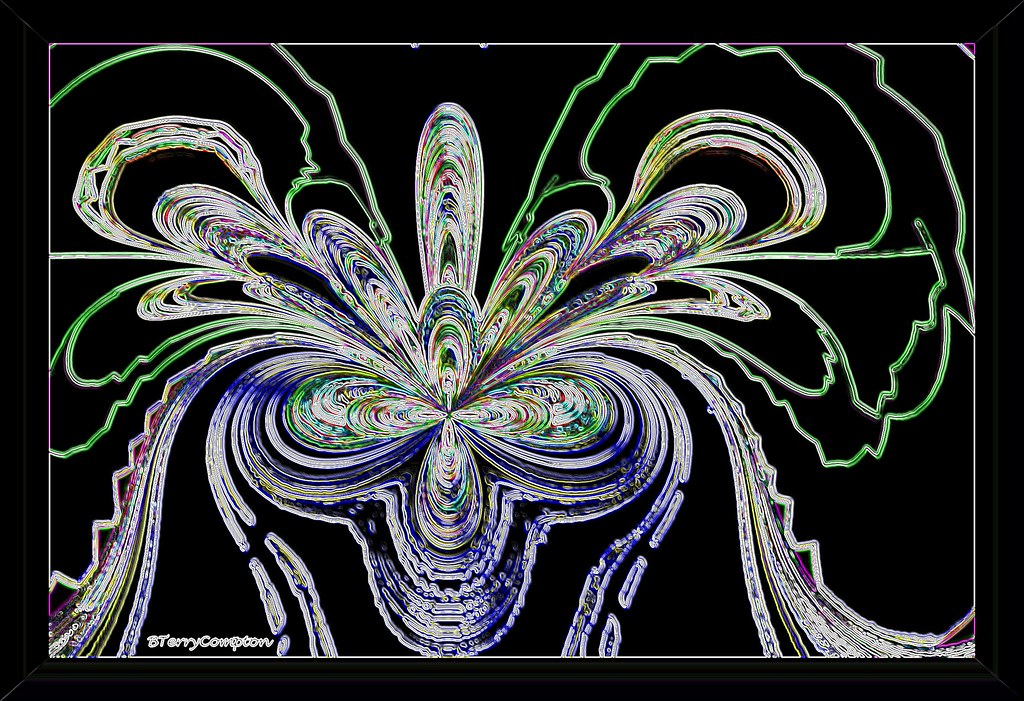
The Philosophical Foundations of Art Photography
At its core, art photography grapples with fundamental questions about reality, perception, and existence. It invites both the photographer and the viewer into a dialogue about what it means to see and to be seen. Here are some philosophical angles that continue to influence the realm of art photography in 2026:
- Subjectivity of Perception: Each photograph is inherently personal, shaped by the artist’s emotions, thoughts, and experiences. This subjectivity makes each piece unique, prompting viewers to interpret images through their own lens.
- Representation versus Reality: Art photography often blurs the lines between representation and the real world, asking viewers to consider what is truth and what is artifice.
- Temporal Nature of Existence: Many art photographers explore themes of time, using their work to capture fleeting moments that speak to the impermanence of life.
Art Photography as a Medium of Exploration
In 2026, photographers harness a variety of techniques and styles to explore complex themes. Here are several notable approaches:
- Conceptual Photography: This style focuses on conveying ideas or concepts rather than just depicting the physical world. It encourages both creators and viewers to delve into deeper meanings.
- Surrealism: Many artists channel surrealism to challenge reality, creating dreamlike images that provoke thought and curiosity.
- Documentary Art Photography: This approach captures real-life scenarios while infusing personal interpretation, often shining a light on social issues or cultural narratives.
The Role of Community and Collaboration
Art photography in 2026 thrives on collaboration and community engagement. This collaborative spirit fosters creativity and broadens perspectives:
- Artist Collectives: Many photographers have formed collectives that encourage cross-pollination of ideas and shared exhibitions. These groups often host workshops, critiques, and collaborative projects that enrich the community.
- Social Media Platforms: Digital platforms have become critical for artists to share their work, gain feedback, and connect with a global audience. These platforms also enable thematic challenges and projects that stimulate artistic growth.
The Intersection of Art and Audience
The relationship between art photographs and their audience evolves continually. In 2026, viewers are no longer passive spectators; they are active participants:
- Interactive Exhibitions: Many galleries and exhibitions now incorporate interactive elements where viewers can engage with the pieces, often using digital interfaces to enhance the experience.
- Viewer Interpretations: Artists encourage audiences to share their own interpretations, leading to discussions and dialogue that enrich the viewing experience.
Emerging Trends in Art Photography
As we delve further into 2026, several trends are shaping the landscape of art photography:
- Sustainability: Increasingly, photographers are adopting sustainable practices in their work, from eco-friendly printing methods to exploring themes related to climate change.
- Mixed Media: Artists are blending photography with other art forms, such as painting, digital art, and sculpture, creating hybrid works that challenge traditional boundaries.
- Virtual Reality and Augmented Reality: Emerging technologies allow photographers to create immersive experiences that transport viewers into new realities or perspectives.
Conclusion: The Future of Art Photography
Art photography in 2026 stands as a testament to the boundless creativity and philosophical inquiry of its practitioners. As techniques evolve and societal contexts shift, the dialogue between art and viewer deepens, creating a rich tapestry of meanings. Whether through collaborative works, emerging technologies, or profound philosophical explorations, art photography continues to inspire, challenge, and engage.


0 Comments