Blog

  • Rediscovering the Joy of Print: The Resurgence of Physical Art Photography in 2026

    Rediscovering the Joy of Print: The Resurgence of Physical Art Photography in 2026

    Introduction

    In an age where digital convenience dominates, there is a growing movement that emphasizes the tactile experience of art photography in print. As we enter 2026, artists and enthusiasts alike are rediscovering the tactile joy and aesthetic value of physical prints, reversing a long-standing trend toward purely digital displays. This article explores the reasons behind this resurgence, the types of prints gaining popularity, and how this trend impacts the world of art photography.

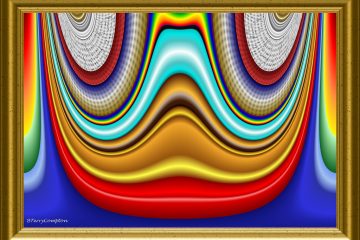
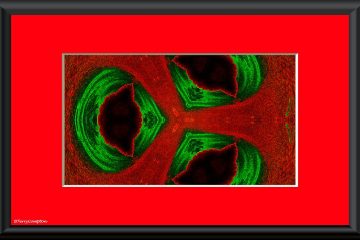
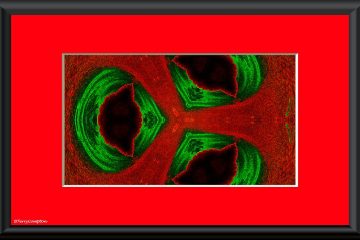
    DSC02449_3 - Computer Abstract Art Photo Image
    Foto: BTerryComptonPhotography

    The Allure of Physical Prints

    While digital media offers instant gratification, physical prints provide a sensory experience that screens cannot replicate. Here are some reasons why artists and collectors are turning back to prints:

    • Tactile Experience: The texture of high-quality paper, the weight of a framed image, and the act of physically holding a photograph create a connection with the artwork that enhances appreciation.
    • Display Versatility: Prints provide the opportunity for unique display options, from exhibition walls to personal galleries within homes, allowing for creative interior design.
    • Collectibility: Limited edition prints are prized by collectors and can appreciate in value, making them a worthwhile investment.
    • Environmental Considerations: Many photographers are opting for sustainable printing methods, aligning with the growing consumer demand for eco-friendly products.

    Emerging Trends in Art Photography Prints

    The art photography print market is evolving with fresh trends that appeal to various tastes and preferences. Here are some noteworthy developments:

    1. Eco-Conscious Printing

    As sustainability continues to be a priority, photographers are seeking eco-friendly printing options. This includes using recycled materials, biodegradable inks, and energy-efficient printing processes. Collectors are increasingly aware of the environmental impact of their purchases, driving demand for such practices.

    2. Mixed Media Compositions

    Artists are blending various materials to create dynamic, multi-dimensional works. Combining photography with watercolors, textiles, or even digital art enhances the visual experience, creating unique pieces that stand out in personal collections and galleries.

    3. Oversized Prints

    Large-format prints are making a statement in the art world. They draw viewers in and create impactful focal points in any space, whether in a commercial setting or a private collection. As photographers experiment with scale, oversized prints are becoming a popular choice for their dramatic effect.

    4. Vintage Aesthetics

    There is a renewed interest in the vintage look, with photographers embracing film techniques to reproduce the characteristics of older prints. This trend pays homage to the history of photography while introducing a modern twist, appealing to both nostalgia and contemporary tastes.

    Building a Personal Art Collection

    For those looking to either start or expand their art photography collection, several strategies can enhance the experience:

    • Understand Your Taste: Explore various styles and themes to discover what resonates with you. Attend exhibitions, browse online galleries, and participate in local art fairs.
    • Invest in Limited Editions: Look for limited edition prints from emerging artists. These pieces are often more affordable than established names and can increase in value as the artist gains recognition.
    • Prioritize Display: Consider how you will display your prints. Proper framing, lighting, and placement can elevate the overall aesthetic of your space.
    • Engage with Artists: Many photographers welcome conversations about their work. Engaging with artists can provide deeper insights into their creative process and enhance your connection to the pieces you consider buying.

    Conclusion

    As we navigate through 2026, the revival of physical art photography is a testament to our longing for deeper connections with art. Emphasizing tactile experiences and the emotional resonance of prints, this trend is transforming how we appreciate and collect photography. Whether you’re an artist, collector, or simply an admirer, embracing the resurgence of physical art photography offers an enriching journey into the world of visual art.

  • The Art of Photography: Crafting Visual Narratives in 2026

    The Art of Photography: Crafting Visual Narratives in 2026

    Introduction

    In the dynamic world of art photography, the year 2026 has brought forth a transformative wave of creativity, redefining how artists and photographers perceive and present their work. As we delve deeper into the realm of visual storytelling, it’s essential to understand the elements that help in crafting compelling narratives through photography. This article explores various techniques, inspirations, and concepts that are shaping art photography today.

    'The Tally-Ho' -- art photo by Herbert Randall, Ann Arbor, 1891.
    Foto: In Memoriam: Wystan

    Understanding Visual Narratives

    Visual narratives in art photography are the stories that images tell. Each photograph is a frame in a larger story, conveying emotions, concepts, and experiences. The key elements that contribute to effective visual narratives include:

    • Subject Matter: Choosing the right subject is crucial. It should resonate with the intended message.
    • Composition: The arrangement of elements within the frame plays a significant role in directing the viewer’s gaze.
    • Lighting: Natural and artificial lighting can dramatically alter the mood and tone of a photograph.
    • Context: Providing context enriches the narrative, allowing viewers to connect with the image on a deeper level.

    Techniques for Crafting Strong Visual Narratives

    To excel in art photography, mastering various techniques is essential. Here are some techniques that can elevate your work:

    1. Emphasis on Emotion

    Capturing raw emotions can create a profound impact. Techniques such as close-ups can accentuate facial expressions and subtle details.

    2. Sequence and Series

    Creating a series of images can tell a more complex story. Consider photographing a subject over time to highlight changes and development.

    3. Symbolism and Metaphor

    Incorporating symbols can deepen the narrative. Objects, colors, and settings can be used metaphorically to convey broader themes.

    4. Experimenting with Perspectives

    Changing your viewpoint can alter the perception of a story. Low angles, overhead shots, or unconventional framing can challenge the viewer’s expectations. Also read: wak89 for more insights.

    Current Inspirations in Art Photography

    The inspirations for art photography in 2026 are as diverse as the artists themselves. Here are some popular sources of inspiration:

    • Nature: Many photographers draw inspiration from the natural world, capturing its beauty and transitions.
    • Cultural Heritage: Exploring different cultures and traditions provides rich narratives to document and share.
    • Everyday Life: Finding beauty in mundane moments allows photographers to connect with their audience on a personal level.
    • Social Issues: Addressing societal themes through photography can evoke thought and inspire change.

    Emerging Trends in Art Photography

    As we progress through 2026, several notable trends have begun to emerge in the art photography scene:

    1. Minimalism

    Minimalist photography emphasizes simplicity. By stripping away distractions, the focus remains on the subject and its connection to the theme.

    2. Mixed Media Approaches

    Incorporating different mediums—such as painting, digital art, or collage—allows artists to create unique visual experiences.

    3. Environmental Photography

    As awareness of environmental issues rises, many photographers are focusing on capturing the beauty of nature while promoting conservation.

    4. Interactive Art Experiences

    With advancements in technology, interactive photography exhibits are becoming popular, allowing viewers to engage with the artwork in new ways.

    Conclusion

    The art of photography in 2026 is a lush tapestry of stories waiting to be told. By embracing the principles of visual narratives, honing technical skills, and drawing from diverse inspirations, photographers can create compelling works that resonate with audiences. As the landscape of art photography continues to evolve, staying attuned to trends and techniques will empower artists to capture their unique visions, making meaningful contributions to this vibrant field.

  • Capturing Emotion: The Evolution of Artistic Photography in 2026

    Capturing Emotion: The Evolution of Artistic Photography in 2026

    The Essence of Artistic Photography

    Artistic photography transcends mere documentation; it is a powerful medium for expressing emotions, ideas, and narratives. In 2026, the landscape of this art form has evolved significantly, merging traditional techniques with contemporary themes. Photographers today are not just capturing images but are weaving stories through their lenses, inviting viewers into their unique perspectives.

    art photo

    Emotional Resonance in Art Photography

    The primary goal of artistic photography is to evoke emotions. Each photograph is a canvas where light, shadow, and composition come together to tell a story. This emotional resonance is what sets art photography apart from commercial photography.

    Key Trends Shaping Artistic Photography in 2026

    • Focus on Personal Narratives: More photographers are sharing their personal stories through their work. This trend allows viewers to connect with the artist on a deeper level.
    • Sustainability in Photography: With the growing emphasis on environmental issues, many artists are focusing on sustainable practices, from using eco-friendly materials to capturing themes that highlight nature’s beauty and fragility.
    • Mixed Media Approaches: The blending of photography with other forms of art, such as painting or digital illustration, creates hybrid artworks that challenge traditional boundaries.

    Techniques That Define 2026

    Artistic photographers in 2026 employ a variety of techniques to enhance their storytelling:

    • Long Exposure: This technique continues to be popular for creating ethereal visuals that convey a sense of time and movement.
    • Double Exposure: Layering multiple images allows photographers to merge realities and create thought-provoking compositions.
    • Abstract Photography: Photographers are increasingly exploring abstraction, pushing viewers to interpret the meaning behind their images rather than providing a clear narrative.

    Finding Inspiration in Unlikely Places

    In 2026, artists are looking beyond traditional sources of inspiration. Nature, urban landscapes, and even mundane everyday life serve as rich tapestries from which they draw ideas. By seeking beauty in the ordinary, photographers challenge conventional perceptions of art.

    The Role of Community in Artistic Growth

    Social media platforms and online communities have become vital for artists to share their work and receive feedback. This communal aspect not only fosters collaboration but also nurtures creativity. Photographers are finding inspiration in each other’s works, leading to innovative approaches and shared techniques.

    Art Exhibitions and Collaborations

    Art exhibitions have evolved into immersive experiences. In 2026, many galleries and museums are utilizing augmented reality and virtual reality to enhance viewer engagement. Collaborations between photographers and other artists—such as musicians, visual artists, and even writers—are creating multi-dimensional storytelling experiences.

    Breaking Down Barriers: Accessibility in Art Photography

    One of the most significant changes in 2026 is the increased accessibility of art photography. Affordable technology and online platforms have democratized the space, allowing aspiring photographers to experiment and share their work with a global audience. Educational resources are abundant, providing budding artists with the skills they need to succeed.

    The Importance of Workshops and Mentorship

    Workshops led by established photographers offer invaluable hands-on experience. These settings foster mentorship, allowing newer photographers to learn directly from the experts, building confidence and honing their craft.

    Community Art Projects

    Community-based art projects have gained momentum in recent years. These initiatives encourage collaboration among local artists to create works that reflect the identity and stories of their communities, fostering a sense of belonging and shared purpose.

    Embracing the Future of Art Photography

    The future of artistic photography is bright and filled with potential. As we move forward, embracing creativity without limitations will be key. The continuous evolution of techniques, themes, and narratives will ensure that photography remains a dynamic and compelling art form.

    Final Thoughts

    In conclusion, the artistic photography landscape in 2026 reflects a blend of tradition and innovation. With an emphasis on emotional connection, sustainability, and community, photographers are redefining what it means to capture art through their lenses. As this art form continues to evolve, it will undoubtedly inspire and resonate with audiences around the world.

  • The Intersection of Technology and Art Photography in 2026

    The Intersection of Technology and Art Photography in 2026

    Introduction

    As we navigate through 2026, the realm of art photography is witnessing a fascinating transformation, driven largely by advancements in technology. This year, photographers are exploring innovative techniques that not only enhance their creative expression but also redefine the viewer’s experience. In this article, we’ll delve into how technology is reshaping art photography, the role of social media, and the emerging trends that are captivating artists and audiences alike.

    art photo

    Embracing New Technologies

    The integration of technology in photography has been a game changer. Here are some notable advancements that have gained traction this year:

    • AI-Driven Editing Tools: Artificial intelligence is not just a buzzword; it’s a practical tool that enhances the editing process. Photographers are using AI to streamline workflows, improve image quality, and even generate creative suggestions that help in post-processing.
    • Augmented Reality (AR) and Virtual Reality (VR): These technologies are allowing artists to create immersive experiences. By integrating AR and VR, photographers can take viewers beyond the static image, offering a multi-dimensional perspective that engages audiences on a deeper level.
    • High-Resolution Imaging: With cameras continuously improving, the ability to capture high-resolution images has become standard. Photographers are now producing larger-than-life prints that highlight intricate details, enriching the overall impact of their art.

    The Surging Influence of Social Media

    In 2026, social media platforms continue to play a pivotal role in the art photography landscape. Here’s how:

    • Expanding Audience Reach: Platforms such as Instagram, TikTok, and Pinterest have become essential for photographers to showcase their work, connecting them with diverse audiences globally.
    • Community Building: Photographers are leveraging social media to build communities around their work, allowing for collaboration and support among artists.
    • Trends in Visual Storytelling: The demand for compelling narratives within images has surged. Photographers are using their platforms to create cohesive stories, often accompanied by captions that resonate with viewers, thus enhancing emotional engagement.

    New Aesthetic Trends in Art Photography

    As the art world evolves, so do the aesthetics that dictate the style and approach of photographers. Some prominent trends in 2026 include:

    • Minimalism: A clean, uncluttered approach to photography is resonating with audiences, emphasizing simplicity and elegance.
    • Mixed Media Approaches: Combining photography with other art forms—such as painting or digital artistry—allows for unique interpretations and expressions.
    • Documentary Photography: With global issues taking center stage, many photographers are using their craft to tell stories about social causes, pushing boundaries and prompting conversations.

    Engaging with Nature through Art Photography

    In recent years, there has been a significant shift towards environmental consciousness among artists. In 2026, nature photography not only serves as a medium of expression but also as a platform for advocacy:

    • Eco-Friendly Practices: Many photographers are adopting sustainable practices in their work, from using eco-friendly materials to minimizing waste during shoots.
    • Awareness Campaigns: Art photographers are increasingly participating in campaigns that highlight the importance of preserving natural landscapes and ecosystems, using their art to inspire action.

    The Role of Exhibitions and Galleries

    Exhibitions and galleries remain crucial in the art photography scene. In 2026, they’re adapting to newer trends by:

    • Incorporating Technology: Many galleries are using digital installations and projection mapping to enhance the viewer experience, creating interactive displays that engage audiences.
    • Hosting Virtual Exhibitions: The rise of virtual galleries has made art more accessible globally, allowing viewers to experience exhibitions from the comfort of their homes.

    Conclusion

    As we forge ahead in 2026, the art photography landscape is more dynamic than ever. With the merger of technology and creativity, photographers are not only redefining their craft but also enriching the cultural tapestry of society. The ongoing evolution in techniques, aesthetics, and the communal aspects of sharing art fosters a vibrant community, encouraging collaboration and innovation. Whether you are an aspiring photographer or an art enthusiast, staying abreast of these developments will enhance your appreciation of this ever-changing art form.

  • Exploring the World of Art Photography: Trends, Techniques, and Inspirations in 2026

    Exploring the World of Art Photography: Trends, Techniques, and Inspirations in 2026

    Introduction to Art Photography

    Art photography is a captivating blend of creativity and technical skill. It transcends mere documentation, inviting viewers into a world shaped by the photographer’s vision. As we dive into 2026, this genre continues to evolve, reflecting cultural shifts and technological advancements.

    art photo

    Current Trends in Art Photography

    In the ever-changing realm of art photography, 2026 brings forth fresh trends that redefine visual storytelling. Here are some notable trends shaping the industry:

    • Augmented Reality (AR) Integrations: Artists are increasingly incorporating AR to enhance their photographic works. This trend allows viewers to interact with images in new and immersive ways, blurring the lines between reality and imagination.
    • Environmental Consciousness: With a growing awareness of climate change, many photographers are focusing on themes of nature and sustainability. This movement not only raises awareness but also promotes environmental stewardship.
    • Emotional Authenticity: Audiences are craving genuine expression. Photographers are moving away from idealized images, opting instead for raw, emotional captures that tell real stories.
    • Mixed Media Approaches: Blending photography with other art forms, such as painting or digital graphics, has gained popularity, allowing artists to explore new dimensions of their creativity.

    Techniques That Make an Impact

    Mastering art photography requires not only an eye for beauty but also a command of various techniques. In 2026, photographers are experimenting with techniques that enhance their artistic expression:

    • Long Exposure: Utilizing long exposure photography creates stunning effects, especially in capturing movement. This technique adds depth and dynamism to images, making them stand out.
    • Double Exposure: This technique overlays two images to create a surreal and symbolic representation. It’s a favorite among contemporary artists looking to convey complex narratives.
    • High Dynamic Range (HDR): HDR photography allows for a greater range of light and detail in images, transforming ordinary scenes into extraordinary visual experiences.
    • Drone Photography: The use of drones has revolutionized art photography, providing unique aerial perspectives that were once unattainable.

    Finding Inspiration for Your Art Photography

    Inspiration can come from various sources, and as artists, it’s vital to stay open to the world around us. In 2026, consider these avenues for inspiration:

    • Nature and Landscapes: The beauty of the natural world remains an endless source of inspiration. Explore different ecosystems and document the ever-changing environmental conditions.
    • Cultural Diversity: Engaging with diverse communities can provide rich stories and unique perspectives that enhance your photography.
    • Personal Experiences: Channeling your own life experiences into your work can lead to authentic and relatable art that resonates with audiences.
    • Art Exhibitions and Galleries: Visiting art galleries and exhibitions can spark new ideas and help you understand current trends in the art photography scene.

    Showcasing Your Work in 2026

    In today’s digital age, showcasing your art photography has never been easier. Here are some effective ways to present your work:

    • Social Media Platforms: Utilize platforms like Instagram, Pinterest, and TikTok to share your work with a global audience. Engaging with your followers can enhance your visibility.
    • Online Portfolio: Creating a stunning online portfolio is essential. Use user-friendly website builders that allow you to showcase your work beautifully.
    • Art Fairs and Festivals: Participating in local art fairs can help you connect with other artists and art enthusiasts, giving you the chance to showcase your work in person.
    • Collaborative Projects: Partnering with other artists or brands can elevate your visibility and introduce your work to new audiences.

    Conclusion

    As we navigate through 2026, the art photography landscape continues to thrive with innovation and creativity. By embracing new trends and techniques, and remaining open to diverse sources of inspiration, photographers can push the boundaries of their art. Engage with the community, showcase your work, and let your unique voice shine through your lens.

  • Hello world!

    Welcome to WordPress. This is your first post. Edit or delete it, then start writing!