Introduction
As we delve into the world of art photography in 2026, we find ourselves at the intersection of innovation and tradition. This dynamic field is continuously evolving, embracing new technologies while paying homage to its rich history. In this article, we will explore the latest trends, techniques, and themes that define art photography today, emphasizing its capacity to create a surreal experience for both artists and viewers alike.
The Rise of Surrealism in Art Photography
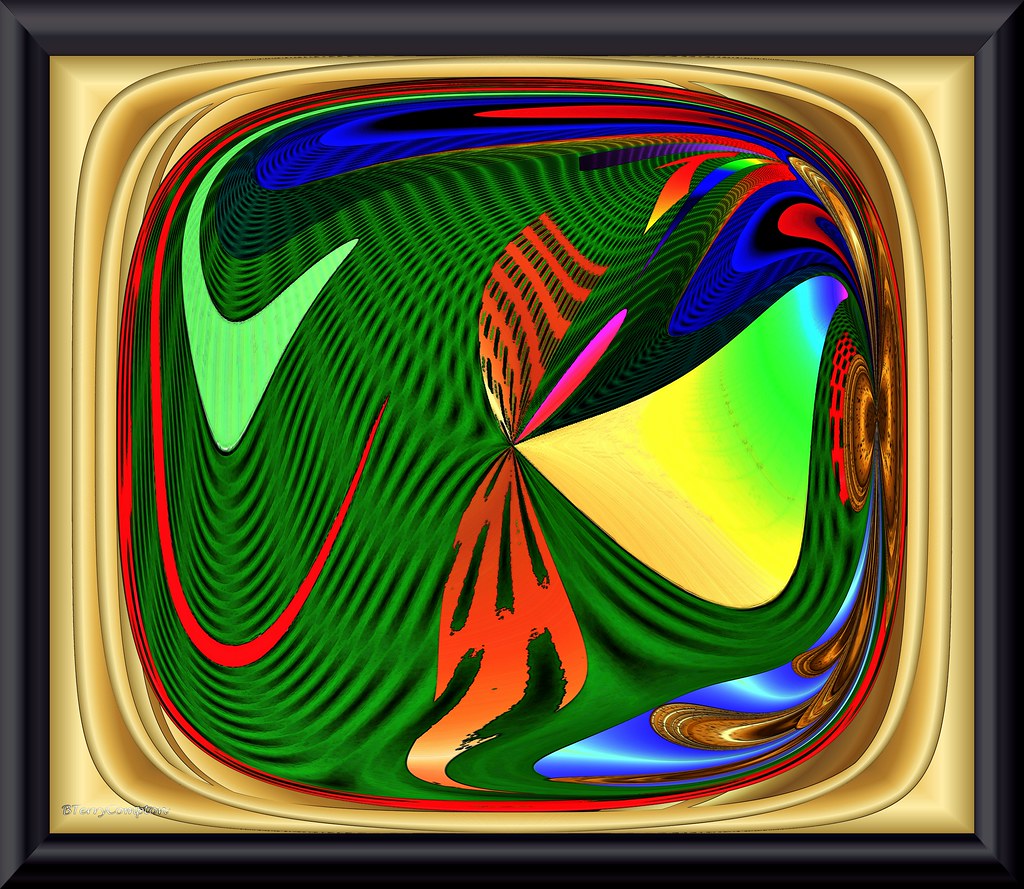
Surrealism has made a remarkable comeback in art photography, inviting photographers to explore the subconscious and the unusual. This trend encourages a departure from reality, allowing artists to construct dream-like worlds that challenge perceptions and provoke thought.
Key Elements of Surreal Art Photography
- Dreamscape Imagery: Photographers are using composite images to create ethereal landscapes that feel otherworldly, blurring the lines between reality and fantasy.
- Symbolism: Incorporating symbols that resonate with personal or cultural narratives invites deeper engagement and reflection from the viewer.
- Manipulation Techniques: Advanced digital editing tools are enabling artists to manipulate their images, enhancing colors, altering backgrounds, and distorting subjects to elicit emotional responses.
Technological Advancements Shaping Art Photography
In 2026, technology plays a pivotal role in the creation and dissemination of art photography. The convergence of AI, VR, and high-definition imaging is reshaping how photographers approach their work.
Utilizing AI in Creative Processes
Artificial intelligence is revolutionizing the art photography landscape by offering tools that streamline workflows and enhance creativity. Here are some ways AI is influencing photographers:
- Image Generation: AI algorithms can generate unique visual elements that photographers can incorporate into their compositions.
- Style Transfer: Photographers can apply the styles of famous artists to their own photographs, creating a unique blend of contemporary and classical aesthetics.
- Data Analytics: Understanding viewer preferences through analytics helps photographers tailor their work to meet audience demands.
Embracing Sustainability in Art Photography
As environmental awareness grows, photographers are increasingly adopting sustainable practices. This shift reflects a broader movement within the arts to promote eco-consciousness.
Ways Photographers Are Going Green
- Using Eco-Friendly Materials: Photographers are opting for sustainable printing options and archival papers that minimize environmental impact.
- Choosing Natural Lighting: Many artists are harnessing natural light instead of relying on artificial sources, thereby reducing their carbon footprint.
- Promoting Conservation Themes: Works that highlight environmental issues provoke discussion and inspire action among viewers.
Interdisciplinary Collaborations in Art Photography
The contemporary art scene in 2026 values collaboration across disciplines, leading to innovative projects that fuse photography with other art forms. Such collaborations expand the boundaries of artistic expression and engage diverse audiences.
Notable Collaborations
- Photography and Dance: Projects that combine dance and photography capture movement in still images, conveying emotion and dynamism.
- Mixed Media Installations: Artists are integrating photography with sculpture, painting, and digital art to create immersive experiences.
- Fashion and Photography: Fashion photographers are collaborating with designers to create visually stunning campaigns that tell a story.
The Future of Art Photography Education
With the rise of digital platforms, art photography education is adapting to meet the needs of aspiring photographers. Online courses, workshops, and community-driven platforms are essential in shaping the next generation of artists.
Benefits of Online Learning
- Accessibility: Learners from various backgrounds can access quality resources, eliminating geographical barriers.
- Diverse Perspectives: Online forums foster a global exchange of ideas, allowing students to gain insights from different cultures and practices.
- Flexible Learning: Photographers can learn at their own pace, balancing education with personal projects and commitments.
Conclusion
Art photography in 2026 is a vibrant tapestry woven from the threads of technology, sustainability, and surrealism. As we move forward, it will be fascinating to witness how artists continue to push boundaries and engage audiences with their unique perspectives. Whether through AI-driven projects or interdisciplinary endeavors, the world of art photography remains a powerful medium for expression and exploration, inviting viewers to see life through a new lens.


0 Comments