Understanding the Emotional Landscape of Art Photography
Art photography has always been a medium that transcends mere visual representation. In 2026, artists continue to push the boundaries of this form, embracing emotional depth and personal storytelling. In this article, we delve into how photographers are using their craft to evoke emotions and connect with audiences on a profound level.
The Power of Emotion in Photography
Emotion is the essence of art photography. It serves as a bridge between the artist’s inner world and the viewer’s experience. In 2026, photographers are exploring various emotional themes, from joy and nostalgia to solitude and introspection. Here are some key aspects:
- Human Connection: Many artists focus on capturing genuine moments of human interaction, showcasing the beauty of relationships.
- Nature and Emotion: Photographers are increasingly linking landscapes with emotional states, using natural settings to reflect feelings like loneliness or serenity.
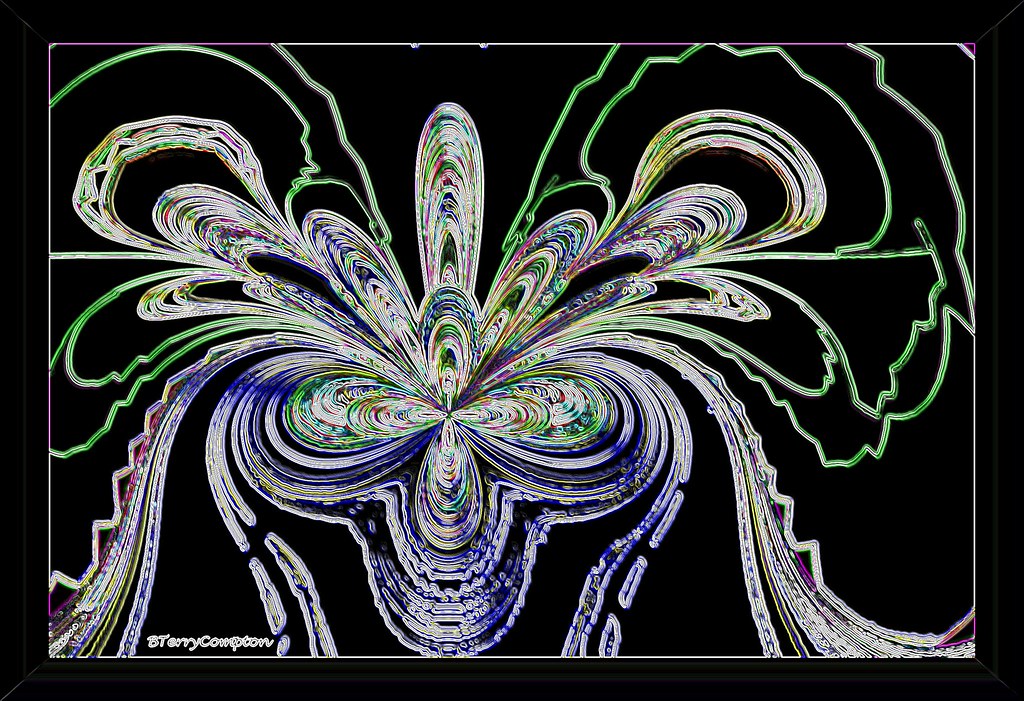
- Abstract Emotions: Some artists lean toward abstraction, using colors and shapes to evoke feeling rather than a clear narrative.
Techniques to Evoke Emotion
In 2026, various techniques have emerged that enhance the emotional impact of art photography:
- Lighting: The use of dramatic lighting can create a specific mood, from ethereal to somber.
- Composition: Thoughtful composition guides the viewer’s eye and enhances emotional responses. Photographers are experimenting with framing to emphasize feelings.
- Color Psychology: Colors have inherent emotional meanings, and artists are using color palettes strategically to communicate feelings.
The Role of Personal Narratives
Many contemporary photographers are integrating their personal stories into their work. This alignment between the artist’s narrative and their visuals creates a richer experience for viewers. Here’s how personal narratives play a role:
- Autobiographical Elements: Photographers often include their life experiences in their work, creating a more relatable and compelling narrative.
- Social Commentary: Art photography is also a tool for exploring broader societal issues, merging personal stories with collective experiences.
Exhibitions and Community Engagement
In 2026, art photography exhibitions are evolving. They are not just showcases but interactive experiences that invite audience participation. Many exhibitions now focus on connecting emotionally with viewers:
- Immersive Installations: By creating immersive environments, artists invite viewers to step into their emotional worlds.
- Workshops and Discussions: Photographers are organized workshops that allow participants to explore emotional storytelling in their work.
The Influence of Technology
Technology continues to play a significant role in how emotions are captured in art photography. With advances in camera technology and editing software, photographers have new avenues to explore emotions more deeply.
- AI in Photography: Artificial intelligence tools are helping photographers refine their work, enhancing emotional resonance through sophisticated editing techniques.
- Virtual Reality: VR technology is being used to create immersive art experiences, allowing viewers to feel emotions in a new, engaging way.
The Future of Emotional Art Photography
As we move forward, the emphasis on emotion in art photography is likely to grow. Artists will continue to experiment with new techniques and mediums to deepen their emotional expressions. Here are a few trends to watch:
- Sustainability in Photography: With a growing awareness of the environmental impact of art, many photographers are focusing on themes of nature, preservation, and emotional connection to the planet.
- Collaborative Projects: Collaborative art projects that include various artists are becoming more common, merging multiple narratives and emotions into a singular experience.
Conclusion
As we explore the emotional depth of art photography in 2026, it is clear that this medium is more than just capturing images; it is about evoking feelings, telling stories, and forging connections. Through innovative techniques and personal narratives, photographers are reshaping the landscape of art photography, making it an even more compelling form of artistic expression.


0 Comments