Understanding Cultural Identity Through Art Photography
As we navigate through 2026, art photography has emerged as a vital medium for expressing and reflecting cultural identities. This form of visual art transcends mere aesthetics, serving as a powerful tool for storytelling, cultural preservation, and self-expression. Artists from diverse backgrounds are capturing the essence of their cultures, offering viewers a window into their worlds and experiences.
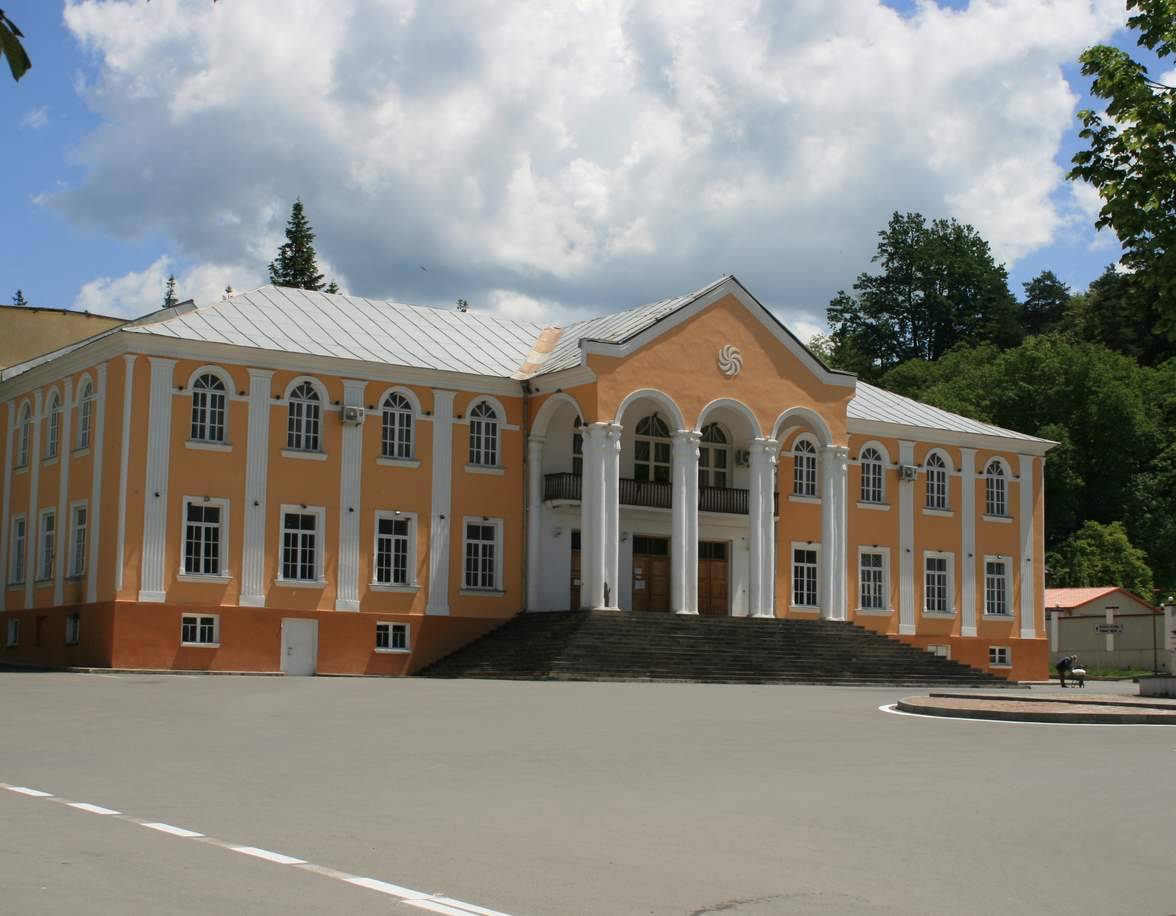
The Importance of Cultural Context
Art photography is profoundly influenced by cultural context. The subjects, themes, and styles chosen by photographers often stem from their cultural backgrounds. This makes it imperative for artists to draw from their own experiences to create authentic representations that resonate with their audiences. In 2026, we see a rich tapestry of cultural narratives emerging through the lens of art photography.
Emerging Trends in Cultural Art Photography
Several trends are shaping the landscape of art photography in relation to cultural identity this year:
- Documentary Style: Many photographers are adopting a documentary approach, capturing raw and unfiltered images that narrate stories of their communities, traditions, and histories.
- Mixed Media: The combination of photography with other artistic mediums, such as painting and digital art, is becoming increasingly popular, allowing artists to explore their cultural heritage in innovative ways.
- Social Commentary: Artists are using their work to raise awareness about social issues affecting their cultures, including inequality, migration, and environmental challenges.
- Community-Centric Projects: Collaborations within communities are gaining traction, where local artists work together to showcase their collective narratives through group exhibitions and joint projects.
Technology’s Role in Cultural Art Photography
The advancements in technology are also influencing how cultural identity is portrayed through photography. In 2026, we see:
- Social Media Platforms: Photographers are leveraging social media to share their cultural narratives with a global audience, allowing for immediate feedback and community engagement.
- Augmented and Virtual Reality: These technologies are creating immersive experiences, allowing viewers to engage with cultural narratives in ways that were previously unimaginable.
- High-Definition Imaging: Enhanced imaging technology allows photographers to capture intricate details of cultural artifacts, clothing, and landscapes, enriching the storytelling aspect of their work.
Case Studies: Cultural Art Photography in Action
To understand the impact of art photography on cultural identity, let’s explore a few notable artists from different backgrounds:
- Maria Torres: A Mexican-American photographer whose work focuses on the celebration of Día de los Muertos. She blends traditional imagery with contemporary styles to create a dialogue about identity and heritage.
- Ahmad Khan: A Pakistani photographer documenting the lives of marginalized communities in Pakistan. His portraits capture the resilience and strength of his subjects, aiming to challenge stereotypes and offer a more nuanced view of his culture.
- Leila Wang: A Chinese artist who employs mixed media to reflect on her cultural heritage. By combining photography with traditional Chinese painting techniques, she creates pieces that speak to the intersection of past and present.
The Role of Art Photography in Bridging Cultures
Art photography plays a crucial role in bridging cultural divides. It allows for a dialogue between different cultures, helping to foster understanding and appreciation. In 2026, we see:
- Exhibitions and Festivals: Cultural art photography exhibitions are being held globally, providing platforms for artists to present their work and engage with diverse audiences.
- Workshops and Collaborations: Cross-cultural workshops are encouraging artists to collaborate, facilitating cultural exchange and inspiring new ideas.
- Online Communities: Digital platforms are creating online spaces where artists can connect, share their work, and discuss cultural themes, further enhancing the visibility of art photography.
Conclusion: The Future of Cultural Identity in Art Photography
As we look toward the future, the role of art photography in expressing and preserving cultural identity will only grow stronger. In 2026, it stands as a testament to the rich diversity of human experiences, allowing for deep connections through shared narratives. Photographers will continue to play a vital role in documenting cultural stories, ensuring that the voices of many are heard and celebrated.
In embracing cultural identity through photography, artists are not only telling their stories but also inviting others to join in the narrative, bridging gaps and fostering a deeper understanding of what it means to be part of a vibrant, multifaceted world.



0 Comments