Introduction
As we step into the latter half of 2026, the art photography scene continues to evolve, offering fresh narratives and innovative techniques that captivate audiences worldwide. This article explores how contemporary artists are redefining their work, experimenting with new dimensions of expression, and integrating emotional depths into their photography.
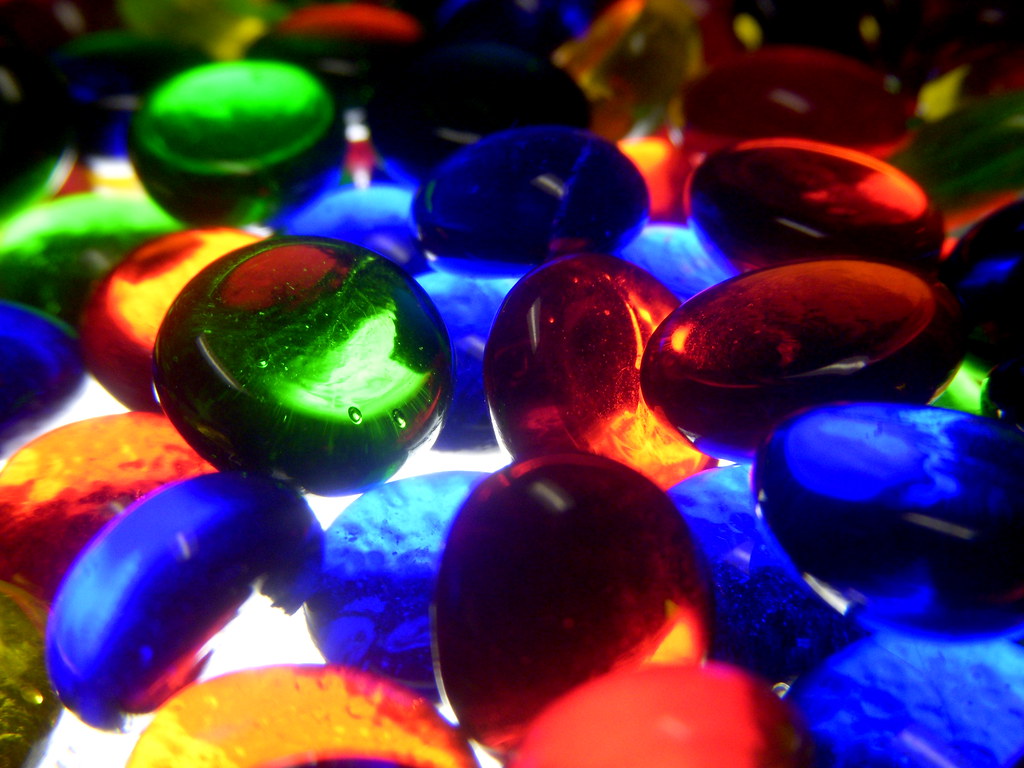
Reimagining Artistic Boundaries
The contemporary art photography landscape is a vibrant canvas of diverse styles and techniques. Artists are increasingly pushing boundaries, utilizing unconventional methods to create visually stunning pieces that provoke thought and inspire dialogue.
Mixed Media and Art Photography
Today, many photographers are incorporating mixed media elements into their work. This approach blurs the lines between photography and various art forms, leading to innovative creations that are more than just images. Some trends in this area include:
- Digital Collages: Combining multiple photographs to create a single, cohesive artwork that tells a more complex story.
- Physical Textures: Adding materials like fabric, paint, or other objects onto the photographic print to create a multi-dimensional experience.
- Augmented Reality: Integrating digital layers that viewers can interact with through their devices, bringing the artwork to life.
Emotion Through Color and Composition
In 2026, the emotional impact of color and composition remains at the forefront of art photography. Artists are skillfully using these elements to evoke feelings and narratives that resonate deeply with viewers.
The Psychological Influence of Color
Color theory plays a crucial role in art photography, influencing how viewers interpret and feel about an image. Here’s how artists are utilizing color to enhance emotional expression:
- Bold Palette Choices: Bright and contrasting colors can evoke feelings of excitement and energy, while softer tones may create a sense of calm and introspection.
- Monochrome Photography: Many artists are returning to black and white, which often heightens emotional intensity and emphasizes the subject matter.
Dynamic Compositions
Alongside color, the composition of a photograph significantly affects the emotional response. Techniques such as:
- Rule of Thirds: Guiding the viewer’s eye and creating balance in the image.
- Leading Lines: Directing attention to focal points and adding depth to the narrative.
- Negative Space: Creating a sense of isolation or contemplation, inviting viewers to connect with the subject on a personal level.
The Role of Technology in Enhancing Creativity
Advancements in technology continue to play a pivotal role in the evolution of art photography. From advanced camera equipment to sophisticated editing software, artists now have tools that allow for unprecedented creativity.
High-Resolution Cameras
In 2026, high-resolution cameras have become more accessible, allowing photographers to capture stunning details that add depth and richness to their work. This technology enables:
- Greater Detail: Producing images with intricate textures and colors that engage viewers on a deeper level.
- Large Format Prints: Artists can showcase their work in exhibitions without losing quality, further enhancing the visual experience.
Photo Editing Software
Advanced editing tools are no longer just about correcting flaws; they are a vital part of the artistic process. Artists are using software to:
- Manipulate Reality: Editing images to create dreamlike or surreal atmospheres that challenge perception.
- Enhance Narrative: Adding layers, textures, and effects that contribute to the storytelling aspect of the photograph.
Sustainability in Art Photography
As environmental awareness grows, artists are increasingly focusing on sustainability in their practices. This trend is reflected in various aspects of art photography:
Eco-Friendly Materials
Photographers are seeking sustainable materials for prints, albums, and packaging. This includes:
- Recycled Papers: Using recycled materials for prints to reduce waste.
- Plant-Based Inks: Reducing the environmental impact of traditional inks.
Thematic Focus on Nature
Many photographers are choosing to document environmental issues through their work. Themes addressed in art photography include:
- Climate Change: Capturing the effects of climate change on landscapes and communities.
- Conservation: Highlighting endangered species and habitats, raising awareness about their plight.
The Future of Art Photography
Looking ahead, the art photography landscape is set to continue its dynamic evolution. Here are some potential trends to watch:
- Artificial Intelligence: The role of AI in generating images and enhancing creative processes will grow, sparking discussions on authorship and creativity.
- Community Engagement: Artists may increasingly collaborate with local communities, incorporating their stories and perspectives into their work.
Conclusion
As we embrace the ongoing transformation of art photography, it becomes clear that this medium is more than just capturing moments; it is a powerful form of artistic expression that challenges perceptions, ignites emotions, and addresses contemporary issues. In 2026, the creative possibilities are endless, and the journey of discovery is just beginning.
0 Comments