Introduction
As we navigate through 2026, the landscape of art photography continues to evolve, shaped by rapid technological advancements and a growing interest in creative self-expression. The fusion of innovative tools and artistic vision has created an unprecedented environment for photographers to explore new realms of creativity.
The Rise of Digital Manipulation in Art Photography
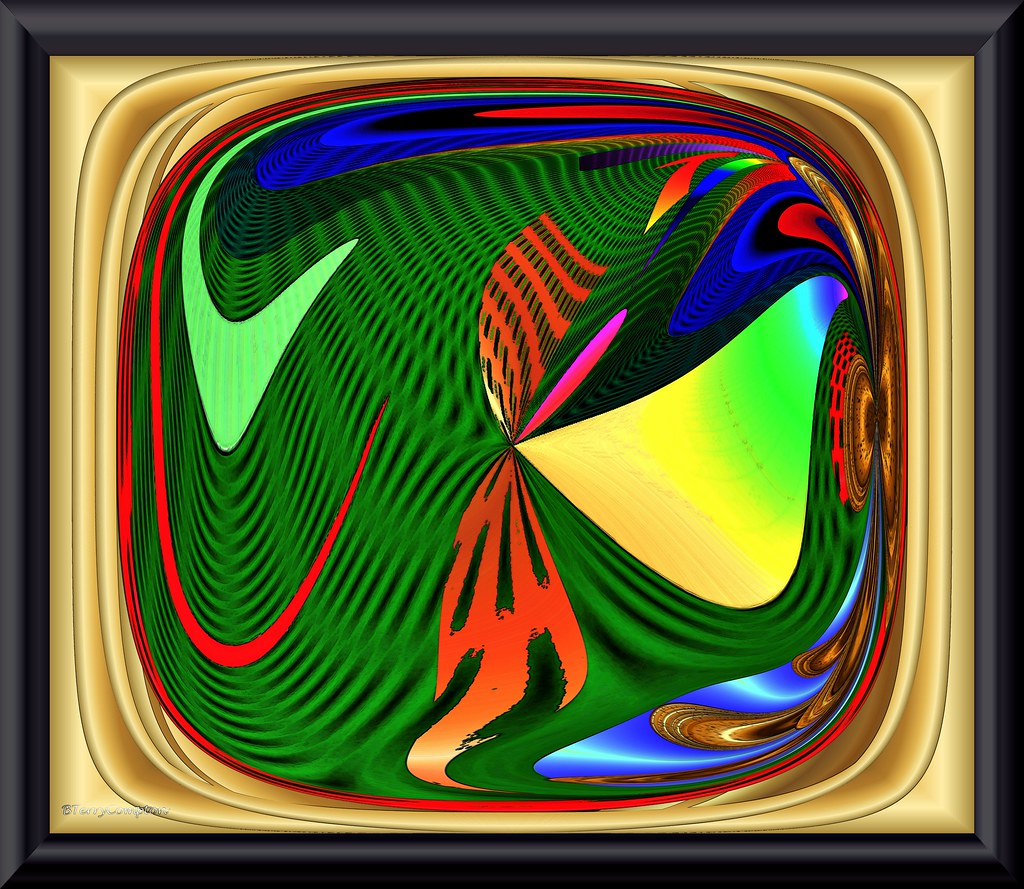
Digital manipulation has come to define modern art photography. With tools like Adobe Photoshop and Lightroom becoming more accessible, photographers can transform ordinary images into extraordinary pieces of art. This section explores various techniques and the ethical implications behind them.
Techniques of Digital Manipulation
- Composite Imaging: This involves blending multiple images to create a surreal or fantastical scene. Artists can juxtapose various elements that may not exist in reality, expanding their creative horizons.
- Color Grading: The ability to manipulate color tones helps set the mood and emotion of a photograph. Photographers can create a vintage feel or energize a photo with vibrant hues.
- Retouching: While traditionally associated with beauty photography, retouching can enhance any image, making it appear more polished and professional.
Ethical Considerations
As digital manipulation becomes more commonplace, the line between reality and fiction blurs. It’s essential for photographers to maintain integrity, ensuring that modifications do not mislead viewers. Transparency about the extent of manipulation can foster trust and appreciation among audiences.
The Integration of Artificial Intelligence in Art Photography
Artificial intelligence (AI) is transforming the way photographers approach their craft. From enhancing editing processes to generating creative concepts, AI is becoming an essential component of art photography.
AI-Powered Tools
- Image Enhancement: AI can automatically adjust lighting, contrast, and sharpness, allowing photographers to focus on creative aspects rather than technical details.
- Idea Generation: AI programs can analyze trends and generate ideas for compositions or themes, providing artists with inspiration when they feel stuck.
- Style Transfer: These algorithms allow photographers to apply the style of famous artists to their own work, blending classical techniques with modern subjects.
The Creative Partnership
Rather than viewing AI as a replacement for human artistry, it is more beneficial to see it as a partner in creativity. The combination of human intuition and AI’s analytical capabilities can lead to thrilling new forms of art photography.
Exploring Themes of Connection and Isolation Through Art Photography
In today’s fast-paced digital world, themes of connection and isolation are increasingly relevant. Art photographers are using their mediums to comment on these dualities, reflecting social dynamics through evocative imagery.
Connection in Art Photography
- Community Portraits: Capturing groups of people engaged in shared activities highlights the beauty of human connection and collaboration.
- Interpersonal Relationships: Intimate portraits that portray laughter, love, and even conflict can tell compelling stories about the nature of human bonds.
- Nature and Humanity: Photographers are increasingly exploring the connections between people and their natural environments, emphasizing the importance of sustainability and care for our planet.
Isolation in Art Photography
- Minimalism: Simple compositions that focus on solitary subjects can evoke feelings of loneliness, prompting viewers to reflect on their experiences of isolation.
- Urban Isolation: Exploring vast cityscapes with lone figures can illustrate the paradox of being surrounded by people yet feeling disconnected.
- Self-Portraits: Many artists turn to self-portraiture as a means of exploring their own feelings of isolation, offering a deeply personal perspective on their emotional states.
The Future: Sustainability and Art Photography
As society becomes more aware of environmental issues, art photography is also moving towards sustainability. Photographers are adopting eco-friendly practices, using natural light, and choosing sustainable materials for prints.
Eco-Friendly Practices
- Digital-Only Exhibitions: Reducing waste by presenting work digitally allows for a wider audience reach while minimizing environmental impact.
- Sustainable Materials: Photographers are increasingly choosing recycled paper and environmentally safe inks for their prints.
- Awareness Campaigns: Many artists use their platform to raise awareness about sustainability issues, blending advocacy with creativity.
Conclusion
The art photography landscape of 2026 is vibrant, dynamic, and full of possibilities. As photographers embrace technology’s potential while navigating the complexities of human emotion, the medium continues to flourish. By exploring themes of connection, isolation, and sustainability, they challenge viewers to engage with their work on a deeper level. With each click of the shutter, art photographers invite us to see the world through their unique lens, encouraging us to reflect on our own experiences and relationships.

0 Comments