Introduction to Art Photography in 2026
As we journey through 2026, art photography continues to redefine itself, pushing boundaries and exploring new dimensions. This medium, once seen solely as a tool for documentation, is now a powerful vehicle for imagination and expression. It encourages viewers to reconsider their perceptions of space, time, and experience. In this article, we delve into the trends and themes shaping art photography this year, highlighting how contemporary photographers are innovating and transforming the art form.
Reimagining Space Through Photography
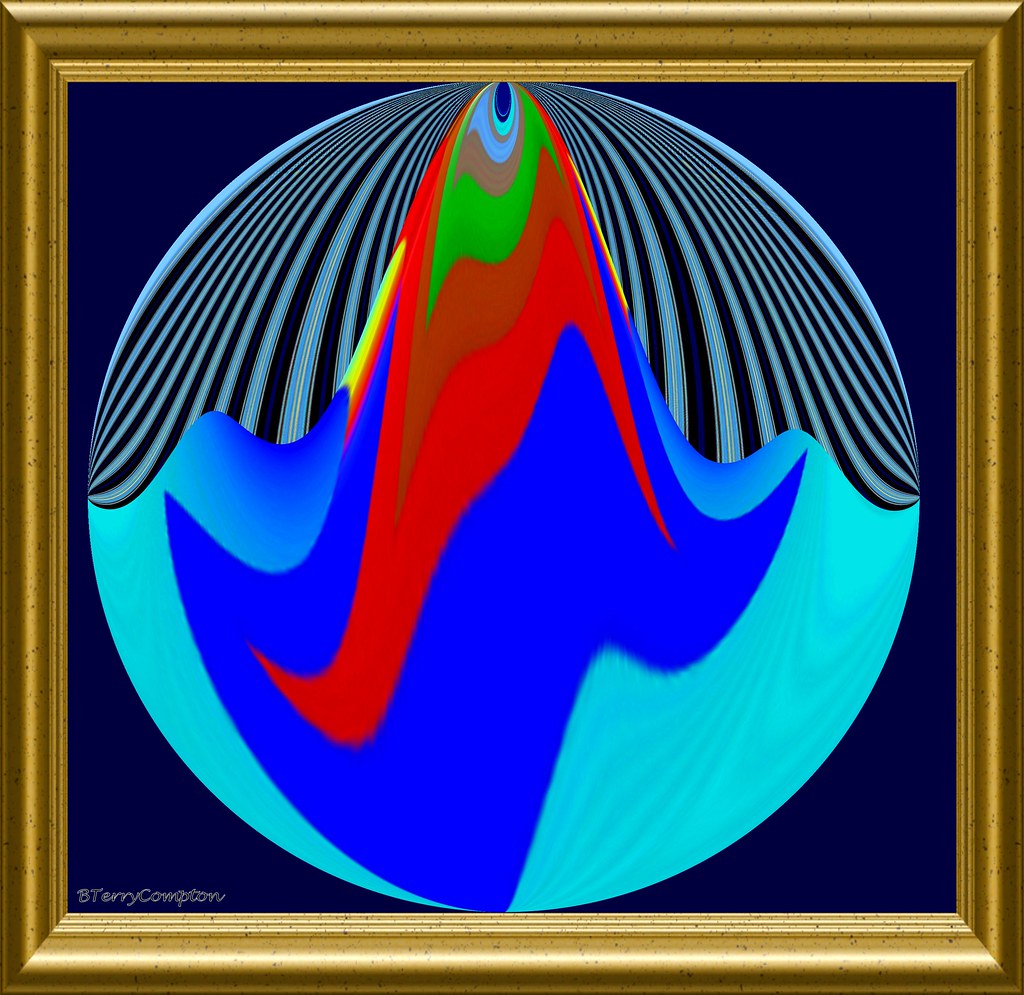
Art photography in 2026 has seen a significant shift in how space is conceptualized. Photographers are increasingly drawn to the idea of creating immersive environments that challenge traditional notions of perspective and composition.
Layered Realities
One emerging trend is the use of layered imagery. Artists are combining multiple photographs within a single frame, blurring the lines between reality and imagination. This technique allows viewers to experience a narrative that unfolds across dimensions, inviting them to engage actively with the work.
Virtual and Augmented Experiences
With augmented reality (AR) and virtual reality (VR) technologies becoming more accessible, photographers are exploring new ways to present their work. The integration of AR allows viewers to interact with art in real-time, creating a dialogue that transcends the traditional gallery experience.
Exploring Identity and Environment
In 2026, many photographers are using their art to explore the relationship between identity and environment, reflecting the complexities of our contemporary world.
Personal Narratives
Photographers are increasingly focusing on personal narratives, capturing the interplay between individual identity and the surrounding environment. This trend is particularly resonant in urban settings, where the boundaries of home, community, and self often blur.
Global Narratives
Beyond personal stories, art photography is also addressing global issues, such as climate change and social justice. Photographers are using their lens to comment on the impact of these themes, creating compelling visual essays that invite viewers to reflect on their own role within these larger narratives.
Technical Innovations in Art Photography
2026 is characterized by an impressive array of technical innovations that are reshaping the landscape of art photography.
AI and Machine Learning
Artificial intelligence is playing an increasingly crucial role in photography. Photographers are leveraging AI tools to enhance their creative processes, from editing images to generating new visual content. This technology enables artists to experiment with styles and techniques that would have been challenging to achieve manually.
Eco-Conscious Materials
As sustainability continues to be a significant concern, photographers are making conscious choices about the materials they use. From eco-friendly printing solutions to sustainable packaging, the art photography community is prioritizing practices that lessen their environmental footprint.
Community Engagement and Collaboration
Collaboration has never been more vital for photographers as they seek to create more inclusive and diverse art forms.
Artist Collectives
Many photographers are joining forces in artist collectives to share resources, ideas, and platforms for exposure. These collectives often focus on underrepresented voices, fostering a sense of community while amplifying diverse perspectives.
Public Installations
Public installations have also gained momentum in 2026. Photographers are taking their work to the streets, utilizing public spaces to promote dialogue and reflection among broader audiences. This form of outreach not only democratizes art but also challenges the exclusivity often associated with galleries.
The Future of Art Photography
As we look ahead, the future of art photography appears bright. With technological advancements and a commitment to social engagement, photographers are forging new paths that transcend traditional boundaries.
Continued Experimentation
Artists will continue to experiment with various mediums, techniques, and technologies. As they push the limits of their creativity, they will undoubtedly uncover new possibilities that enrich the art form.
Interdisciplinary Approaches
We can also expect to see more interdisciplinary approaches to art photography. By collaborating with professionals from other fields—such as writers, musicians, and scientists—photographers can create multifaceted works that resonate on multiple levels.
Conclusion: Embracing Change in Art Photography
Art photography in 2026 is a vibrant and evolving field that reflects the complexities of our world. Through innovative techniques, community engagement, and a commitment to exploring new narratives, photographers are redefining what it means to capture and create art. As we embrace these changes, we invite you to explore the works of contemporary artists and engage with the profound questions they raise about identity, environment, and the human experience.

0 Comments