Introduction to Abstract Photography
As we delve deeper into 2026, the world of art photography continues to evolve, bringing new techniques and styles to the forefront. Among these is abstract photography, a genre that challenges traditional representation and invites viewers to engage with the unseen. In this article, we will explore the essence of abstract photography, its significance in contemporary art, and how it resonates with the digital age.
The Unconventional Approach of Abstract Photography
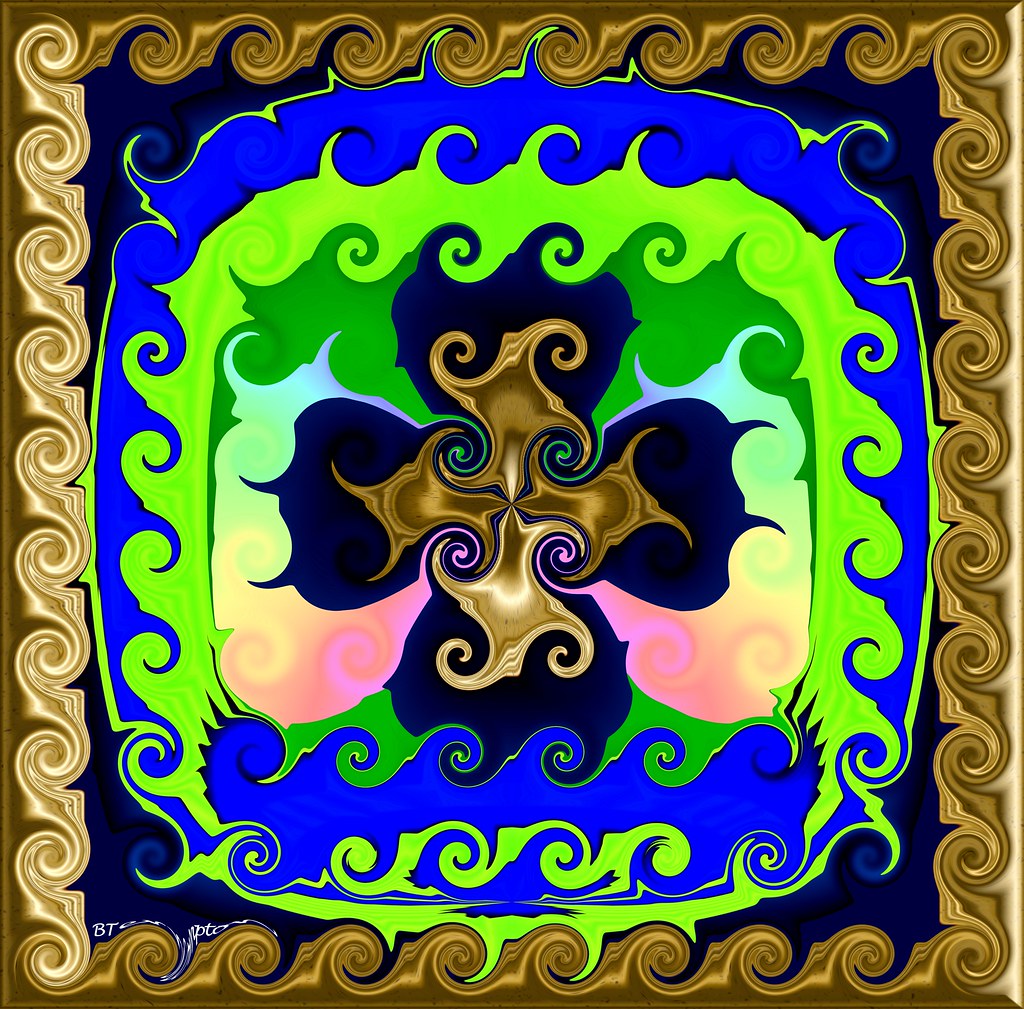
Abstract photography emphasizes form, color, and texture over recognizable subjects. This departure from reality is not merely an artistic choice but a powerful means of expression. Here are a few aspects that define the abstraction in photography:
- Emphasis on Composition: Abstract photographers often focus on shapes and patterns, allowing the viewer’s imagination to fill in the gaps.
- Color as Emotion: Color choices can evoke feelings, setting a mood without the need for clear subjects.
- Texture and Detail: Close-up shots that highlight texture can transform everyday objects into intriguing works of art.
Techniques in Creating Abstract Photography
Creating compelling abstract photographs involves various techniques that can elevate the visual impact:
- Long Exposure: This technique allows for the blending of movement and time, creating ethereal effects.
- Intentional Camera Movement (ICM): Moving the camera while taking a shot can produce dynamic, abstract images.
- Macro Photography: Capturing extreme close-ups of subjects can transform ordinary objects into visually stunning pieces.
Abstract Photography in the Digital Age
The rise of digital photography has significantly influenced abstract imagery. With advanced editing software, artists can manipulate images to enhance their abstract qualities:
- Photo Manipulation: Digital tools allow for the alteration of images to create surrealistic effects that push the boundaries of reality.
- Collage Techniques: Combining multiple photographs can lead to innovative compositions that challenge the viewer’s perception.
Platforms for Sharing Abstract Photography
In 2026, social media and online galleries have become integral to an artist’s visibility. Platforms like Instagram, Pinterest, and specialized art websites allow photographers to share their abstract visions with a global audience:
- Instagram: Visual-first platforms support niche communities where abstract art can flourish.
- Online Exhibitions: Curated digital exhibitions provide a space for abstract photographers to showcase their work alongside contemporary peers.
The Emotional Resonance of Abstract Photography
Abstract photography goes beyond capturing images; it engages emotions and thoughts:
- Personal Interpretation: Viewers often interpret abstract works based on their experiences, leading to diverse reactions to the same piece.
- Connection to the Unconscious: Abstract photography can evoke subconscious responses, allowing deeper connections with the audience.
Case Studies: Influential Abstract Photographers in 2026
Several contemporary photographers are making waves in the abstract scene:
- Maria Johansson: Known for her long exposure work that beautifully portrays movement and time.
- David Lee: Uses macro techniques to capture intricate details that reveal new perspectives on familiar subjects.
- Elena Smith: A digital artist who combines photography and manipulation to create surreal landscapes.
Conclusion: Embracing Abstraction in Art Photography
As we navigate through 2026, abstract photography remains a vibrant and dynamic field within the art world. It challenges perceptions, encourages personal exploration, and fosters a strong emotional connection with the viewer. Whether through the lens of a camera or the intricacies of digital manipulation, the allure of the unseen continues to captivate artists and audiences alike.


0 Comments