Introduction
As we navigate through 2026, art photography is increasingly becoming a powerful medium for visualizing abstract concepts. In a world dominated by rapid technological advancements and artistic experimentation, photographers are breaking free from traditional methods to explore new realms of creativity. This article will dive into how art photography serves as a conduit for expressing complex ideas, emotions, and philosophies that often elude verbal communication.
The Journey of Art Photography in Recent Years
Over the past few years, art photography has evolved, embracing diverse styles and techniques. With the rise of social media platforms and digital art, artists have found innovative ways to connect with audiences, transforming photography into a personal and collective expression.
Key Milestones in Art Photography
- Digital Revolution: The shift from film to digital photography has opened limitless possibilities for artists, allowing for extensive post-processing, experimentation, and sharing.
- Post-Photography Movement: A trend where artists utilize non-traditional methods, such as mixed media, to challenge the boundaries of photography.
- Artificial Intelligence: The integration of AI in art photography is helping photographers generate immersive experiences and new aesthetics.
Visualizing Abstract Concepts Through Art Photography
Art photography has a unique ability to translate abstract ideas into visual narratives. By employing various techniques, photographers can evoke feelings, provoke thoughts, and challenge perceptions.
1. Conceptual Photography
This style focuses on conveying ideas rather than just capturing images. Conceptual photographers often use symbolism and visual metaphors, creating layers of meaning in their work. This approach invites viewers to dive deep into their interpretations.
2. Surrealism in Photography
Surrealism allows photographers to create dreamlike imagery that reflects the subconscious. Through manipulation and creative staging, artists can present concepts of time, space, and identity in ways that provoke emotional responses.
3. Abstract Photography
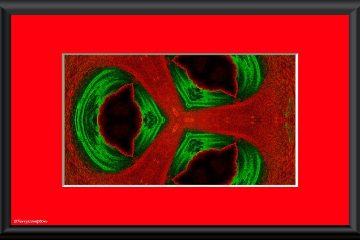
Focusing on shapes, colors, and forms, abstract photography distorts reality to explore perceptions and emotions. This genre encourages viewers to engage with the artwork on an emotional level, interpreting it through their own lens.
Emerging Trends in Art Photography for 2026
As artists continue to push the boundaries, several key trends are shaping the future of art photography:
1. Immersive Experiences
With advancements in technology, including virtual reality and augmented reality, photographers are creating immersive art experiences. These installations not only captivate audiences but also deepen their understanding of the themes presented.
2. Social Commentary
Art photography is becoming a powerful tool for social change. By addressing issues such as climate change, inequality, and mental health, artists use their work to spark conversations and inspire action.
3. Collaborative Projects
Collaboration is gaining momentum in the art photography space, where artists from different backgrounds come together to create multifaceted pieces. This fusion of ideas and techniques enriches the narrative and highlights diverse perspectives.
Exploring the Intersection of Art Photography and Other Mediums
Art photography is not confined to still images. The intersection with other forms of art is creating innovative hybrids:
1. Photography and Performance Art
Performance art allows photographers to capture ephemeral moments, emphasizing the human experience. This collaboration often challenges traditional notions of both mediums, creating a richer narrative.
2. Photography and Sculpture
Artists are combining photography with three-dimensional art forms to create interactive installations. This blend encourages viewers to engage with the artwork physically and emotionally.
3. Photography and Digital Media
The rise of digital media has birthed new artistic expressions, where photography serves as a foundation for digital collages, animation, and graphic storytelling. This genre broadens the scope of what art can be.
Conclusion
As we look ahead in 2026, art photography stands at the forefront of visual innovation. By harnessing new technologies and exploring abstract concepts, photographers are redefining artistic expression. This evolution not only enriches the art form but also enhances our understanding of complex themes that resonate within society. Art photography continues to challenge perceptions and inspire change, making it a vital component of contemporary artistic discourse.

0 Comments