Introduction to Art Photography
In 2026, art photography stands as a dynamic form of visual expression, reflecting cultural narratives and the ever-changing societal landscape. More than just capturing images, art photography serves as a dialogue between the photographer and the viewer, often inviting deeper contemplation and connection.
The Role of Art Photography in Society
Art photography has evolved significantly over the years, becoming a vital tool for cultural commentary. In today’s world, photographers wield their cameras not merely as tools but as instruments of change. Here are some key aspects of how art photography influences society:
- Documenting History: Art photography plays a crucial role in capturing and preserving historical moments, offering a visual account that words alone cannot convey.
- Reflecting Diversity: Contemporary photographers are increasingly exploring themes of identity, race, and gender, providing a platform for marginalized voices.
- Provoking Thought: Many art photographs challenge societal norms and provoke discussions on critical issues, from climate change to social justice.
Current Trends in Art Photography
As we navigate through 2026, various trends are shaping the field of art photography:
1. Mixed Media Approaches
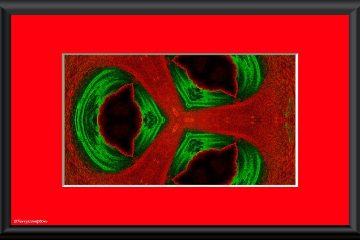
Photographers are increasingly blending traditional photography with digital art, painting, and other mediums. This fusion allows for greater creativity and expression:
- Utilizing digital tools to transform photographs into unique pieces of art.
- Combining photography with performance art or installations for immersive experiences.
2. Environmental Awareness
With growing concern for the planet, many artists are using photography to highlight environmental issues:
- Creating visual narratives that focus on nature’s beauty and the threats it faces.
- Participating in campaigns that promote sustainability and conservation through their work.
3. Interactive Photography
The rise of augmented reality (AR) and virtual reality (VR) is changing how audiences engage with art photography:
- Creating experiences where viewers can interact with photographs, making art more accessible.
- Hosting exhibitions that incorporate technology, allowing deeper connections between the artwork and the audience.
Art Photography and Technology
The relationship between art photography and technology is increasingly symbiotic. Innovations in camera technology have expanded the possibilities for photographers, offering:
- Higher resolution captures, enabling fine details to shine through.
- Advanced editing software that empowers artists to realize their creative visions.
How to Appreciate Art Photography
Engaging with art photography can be an enriching experience. Here are some tips for appreciating this unique form of expression:
- Explore Different Genres: From portraiture to landscape and abstract photography, each genre tells a different story.
- Visit Exhibitions: Physical or virtual galleries offer a glimpse into the artistic process and the themes that resonate with contemporary photographers.
- Follow Emerging Artists: Social media platforms are a great way to discover and support new talent in the art photography scene.
Conclusion: The Future of Art Photography
As we look ahead, the future of art photography appears vibrant and promising. It will continue to evolve, reflecting societal changes and technological advancements. Whether as a means of personal expression, social commentary, or cultural preservation, art photography remains a powerful medium that invites us to see the world through a different lens.

0 Comments