The Transformative Power of Art Photography in 2026
As we navigate through 2026, art photography continues to be a profound medium of expression, captivating audiences with its ability to convey emotion, narrative, and deeper meanings. In this article, we will explore how the current trends in art photography reflect a unique blend of creativity, technology, and societal introspection.
The Role of Technology in Shaping Art Photography
With advancements in digital photography and editing software, artists have more tools than ever to express their visions. In 2026, the influence of technology has become twofold:
- Accessibility: High-quality cameras are more affordable, enabling budding photographers to create and share their work without financial barriers.
- Innovation: Software like AI-driven editing tools has revolutionized how images are manipulated, allowing photographers to push creative boundaries.
These innovations have blurred the lines between traditional techniques and modern digital practices, creating new opportunities for artistic expression.
Current Trends in Art Photography
As we reflect on the current landscape of art photography, several trends are emerging that define the genre in 2026:
- Sustainability: Many photographers are embracing eco-conscious practices, utilizing natural materials and exploring themes related to nature conservation.
- Augmented Reality (AR): Integrating AR with photography allows artists to create interactive experiences, merging the physical with the digital.
- Social Commentary: Art photography is increasingly being used as a platform for activism, addressing issues such as climate change, social justice, and identity politics.
These trends not only enhance the visual appeal of photography but also invite viewers to engage with pressing global issues.
Exploring New Aesthetic Dimensions
In 2026, the aesthetic of art photography has expanded beyond conventional beauty. Photographers are experimenting with:
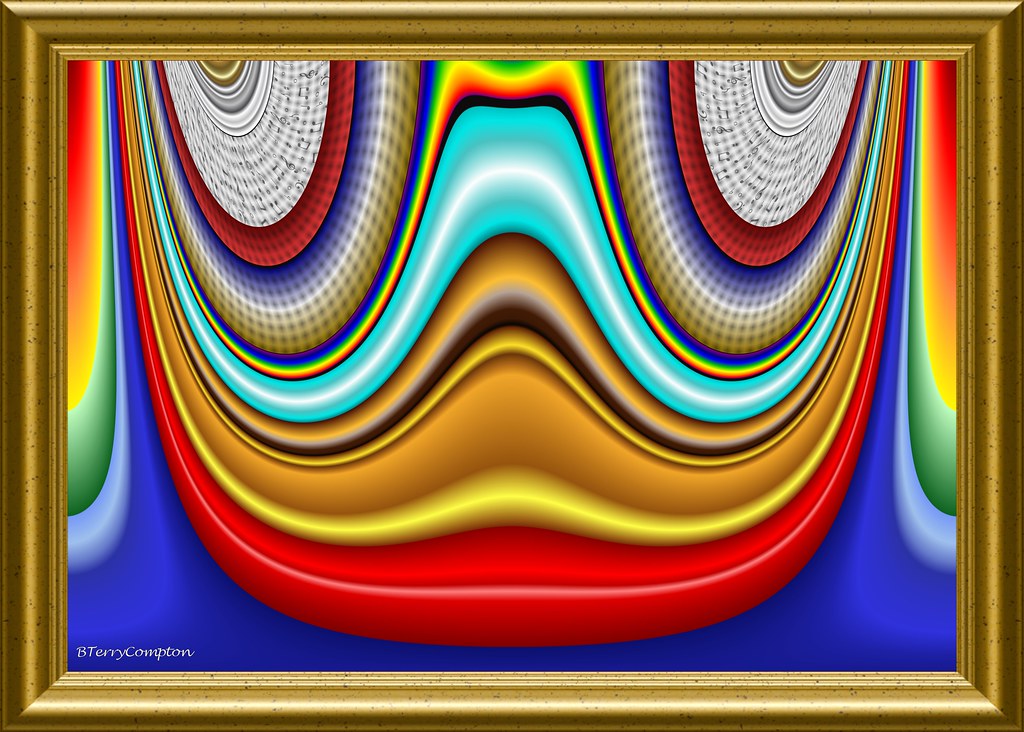
- Abstract and Surrealism: Artists are pushing the envelope with abstract forms and surreal compositions, challenging viewers to interpret meaning beyond the surface.
- Mixed Media: The integration of painting, collage, and digital art into photography has created hybrid art forms that stimulate the imagination.
These diverse approaches foster a rich dialogue between the viewer and the artwork, encouraging personal interpretation and emotional response.
Influence of Social Media on Art Photography
In an era dominated by social media, platforms like Instagram and TikTok are redefining how art photography is consumed and shared. In 2026, notable effects include:
- Community Building: Photographers are forming global communities, sharing techniques and inspirations that transcend geographic boundaries.
- Instant Feedback: Social media provides immediate reactions, allowing artists to gauge audience responses and refine their work.
This instantaneous exchange fosters a dynamic and evolving artistic landscape, where trends can shift rapidly based on viewer engagement.
The Personal Connection to Art Photography
Beyond trends and technology, the personal connection between the artist and their work remains at the heart of art photography. In 2026, many photographers are drawing from their own experiences, backgrounds, and emotions to create deeply personal narratives. This authenticity resonates with viewers, who are increasingly seeking stories that reflect their own lives.
Art photography serves as a mirror, helping both the artist and the audience explore their identities and the world around them.
Conclusion: The Future of Art Photography
As we look ahead, the future of art photography appears vibrant and full of potential. By combining innovative techniques with a strong emotional core, artists can continue to push the boundaries of creativity. In 2026, the art photography landscape is not just about capturing visuals; it’s about creating meaningful experiences that provoke thought, inspire action, and ignite passion.
0 Comments