Introduction
Art photography has evolved into a vibrant medium that reflects contemporary culture, emotions, and experiences. In 2026, this unique form of artistic expression has not only expanded its technical boundaries but has also embraced themes that resonate with the modern viewer. This article delves into the integral role of art photography in shaping today’s artistic landscape.
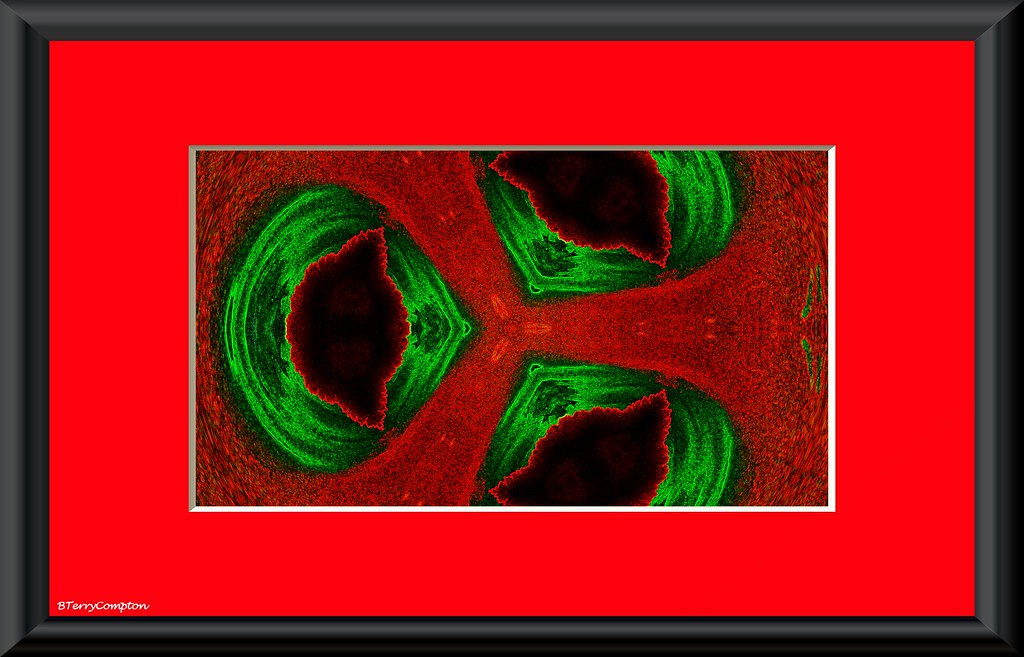
The Concept of Art Photography Today
Art photography is no longer confined to traditional norms. It has matured into a versatile medium that encompasses various styles and techniques. As technology advances, so does the artist’s palette, allowing for a richer exploration of themes and ideas.
Defining Art Photography
At its core, art photography is a genre that emphasizes creativity and personal expression. Unlike commercial photography, which prioritizes functionality, art photography invites viewers to engage in a dialogue based on emotional resonance and aesthetic experiences.
Technological Innovations Shaping Art Photography
In recent years, technology has drastically altered the landscape of art photography. Today’s photographers are embracing:
- Digital Manipulation: Software like Adobe Photoshop and Lightroom allows for intricate editing and enhancement, pushing the boundaries of visual storytelling.
- 3D Photography: The rise of 3D technology has opened new avenues for artists to create immersive experiences that draw viewers into the artwork.
- Mobile Photography: With high-quality camera phones, photography is now accessible to everyone, democratizing the art form and encouraging more voices to be heard.
Art Photography as Social Commentary
Art photography serves as a powerful tool for social commentary. Photographers are increasingly using their work to address pressing issues such as:
- Climate Change: Many artists are capturing stark visuals of environmental degradation, raising awareness about climate change and promoting conservation.
- Identity and Diversity: Through their lens, photographers explore themes of race, gender, and sexuality, challenging societal norms and fostering inclusion.
- Urbanization: The evolution of cities and their landscapes is a subject that many photographers are investigating, often highlighting the juxtaposition between nature and development.
The Emotional Connection in Art Photography
The emotional depth found in art photography is what draws many viewers in. The ability of a single image to evoke a spectrum of feelings is a testament to the artist’s skill and intent. Some key elements include:
- Human Expression: Portrait photography can convey a multitude of emotions, allowing viewers to connect with the subject’s experiences.
- Color Theory: The use of color can dramatically influence the mood of an image, guiding the viewer’s emotional response.
- Composition: How elements are arranged within the frame can create tension, harmony, or a sense of movement, contributing to the overall emotional impact.
The Future of Art Photography
As we move further into the 2020s, the future of art photography looks promising. Emerging trends include:
- AI and Photography: Artificial intelligence is beginning to play a role in enhancing creative processes, from editing photos to generating new ideas.
- Virtual Exhibitions: The pandemic has paved the way for digital galleries, allowing artists to reach global audiences and revolutionizing how art is viewed and appreciated.
- Sustainability in Photography: Eco-conscious practices are becoming essential in the art world, with photographers seeking sustainable materials and methods for their projects.
Conclusion
Art photography is more than just a visual medium; it is a platform for expression, dialogue, and social change. As we continue to navigate a rapidly changing world, the relevance of art photography will only grow. The challenges of today provide fertile ground for creativity, pushing artists to explore deeper narratives and forge connections that resonate with audiences now and in the future.

0 Comments