The Aesthetic Evolution of Art Photography
As we delve deeper into 2026, art photography continues to captivate audiences around the globe. This year marks a significant period in the art world, where traditional elements blend seamlessly with contemporary techniques. The aesthetic evolution of art photography reveals a rich tapestry of creativity, driven by technological advancements and cultural shifts.
Exploring the Current Trends
Art photography has morphed dramatically over the years, and 2026 brings forth several notable trends that define the current landscape.
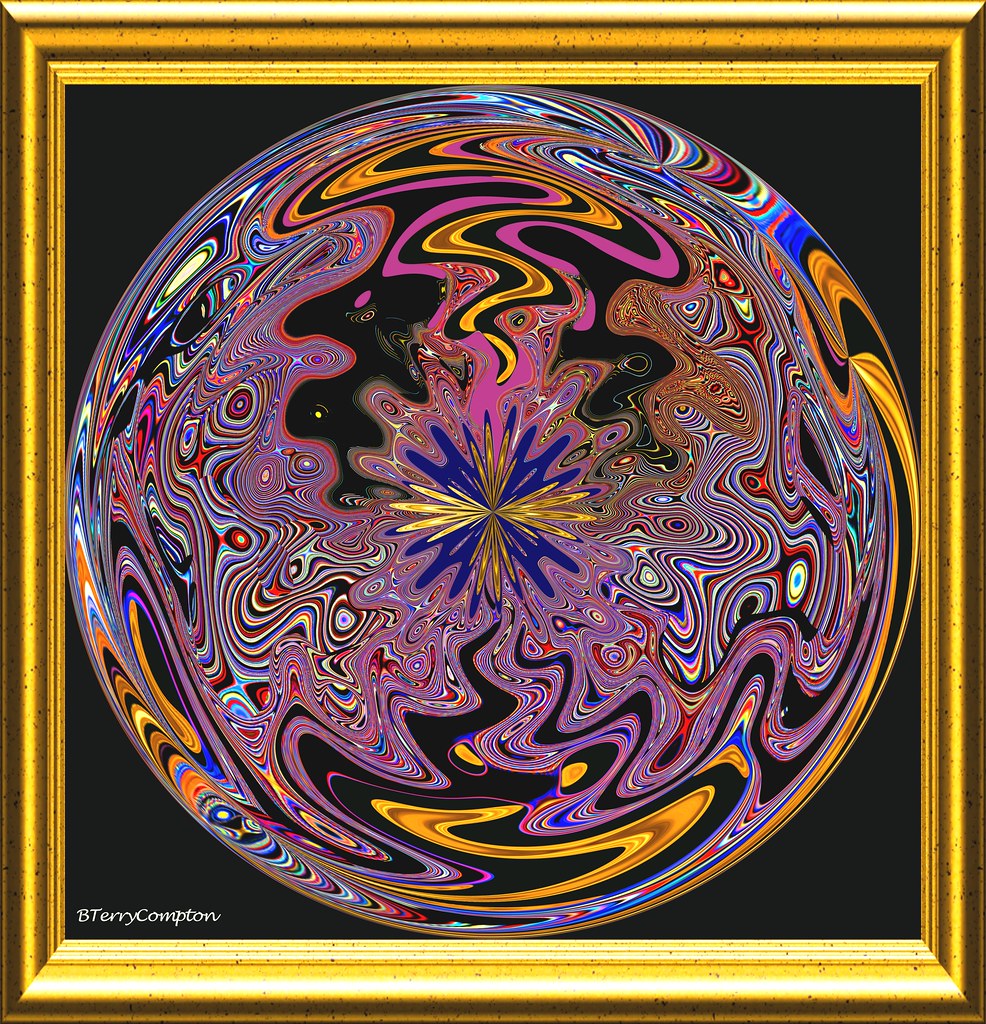
- Mixed Media Art Photography: Artists increasingly integrate various mediums, combining photography with painting, sculpture, and digital elements. This trend not only enhances visual depth but also invites viewers to engage in a multi-sensory experience.
- Sustainable Practices: As awareness around environmental issues grows, many photographers are adopting sustainable practices. From using eco-friendly materials to shooting in natural light, the commitment to sustainability is reshaping the art photography scene.
- Virtual and Augmented Reality: The incorporation of VR and AR technologies is revolutionizing how audiences experience photography. Artists are creating immersive environments where viewers can interact with their work in unique ways.
- Identity and Diversity: Photographers are increasingly focusing on themes of identity, culture, and diversity. This trend allows for a variety of voices and stories to emerge, showcasing a broader spectrum of human experience.
Key Techniques of 2026
The techniques employed by contemporary photographers in 2026 reflect both innovation and a respect for tradition. Here are some techniques that are gaining popularity:
- Long Exposure Photography: This technique captures the passage of time in a single image, creating ethereal and dreamlike visuals. It’s often used in nature photography, where movement—such as flowing water or drifting clouds—adds a layer of dynamism.
- Double Exposure: A classic technique that fuses two images into one, double exposure is being reimagined in fascinating ways. Modern photographers are employing this method to explore themes of memory and identity.
- Drone Photography: The use of drones allows photographers to capture stunning aerial perspectives. This technique reveals landscapes in ways that were previously unimaginable, adding a fresh dimension to art photography.
- Smartphone Photography: As smartphone cameras continue to improve, more artists are embracing mobile photography. The accessibility of these devices democratizes art creation, letting anyone become an artist.
Inspiration from the Art World
Inspiration in art photography often stems from various sources. Influences this year are diverse, and they include:
- Classic Art Movements: Many photographers are drawing inspiration from historical art movements such as Surrealism and Impressionism, reinterpreting these styles through a modern lens.
- Street Art and Urban Environments: The vibrant aesthetics of street art are influencing photography, as artists capture the raw beauty of urban life and its transient nature.
- Nature and Landscape: The ongoing dialogue between art and nature continues to be a rich source of inspiration. Photographers are now more than ever focusing on environmental themes, reflecting the delicate balance between nature and human impact.
- Social Media Trends: Platforms like Instagram and TikTok shape artistic trends and aesthetics. Photographers are utilizing these platforms not only to share their work but to draw inspiration from the collective visual dialogue occurring online.
Challenges Facing Art Photographers
While the landscape of art photography in 2026 is vibrant and full of opportunity, it is not without its challenges:
- Market Saturation: With the rise of mobile photography and accessible editing tools, the market has become saturated, making it more challenging for individual artists to stand out.
- Copyright Issues: As images circulate rapidly on social media, copyright infringement poses a significant concern for photographers aiming to protect their work.
- Balancing Commercial and Artistic Interests: Many photographers face the dilemma of reconciling their artistic vision with the commercial demands of the industry.
Future Directions for Art Photography
As we look beyond 2026, several potential directions for the future of art photography become evident:
- Greater Interdisciplinary Collaboration: We can expect to see more collaborations between photographers and artists from various fields, such as graphic design and performance art, creating hybrid art forms.
- Enhanced Viewer Engagement: With the growth of interactive and immersive technologies, future art exhibits may focus even more on viewer participation and engagement.
- Cultural Reflection: Art photography will increasingly serve as a mirror to contemporary society, capturing the complexities of human experiences in an ever-changing world.
Conclusion
The aesthetic evolution of art photography in 2026 showcases a fascinating blend of tradition and innovation. As artists explore new techniques and draw inspiration from diverse sources, the genre continues to push boundaries and redefine what photography can achieve. Whether through mixed media, sustainable practices, or the integration of technology, art photography remains a vital expression of creativity and cultural commentary.


0 Comments