Understanding Art Photography in 2026
As we step into 2026, art photography has evolved into a multifaceted discipline that not only celebrates artistic expression but also challenges conventional boundaries. From abstract representations to evocative portraits, photographers are exploring a variety of techniques that allow them to communicate their unique visions. This article delves into the diverse approaches to art photography today, providing insights into the techniques and inspirations behind stunning compositions.
The Techniques of Art Photography
1. Mixed Media Approaches
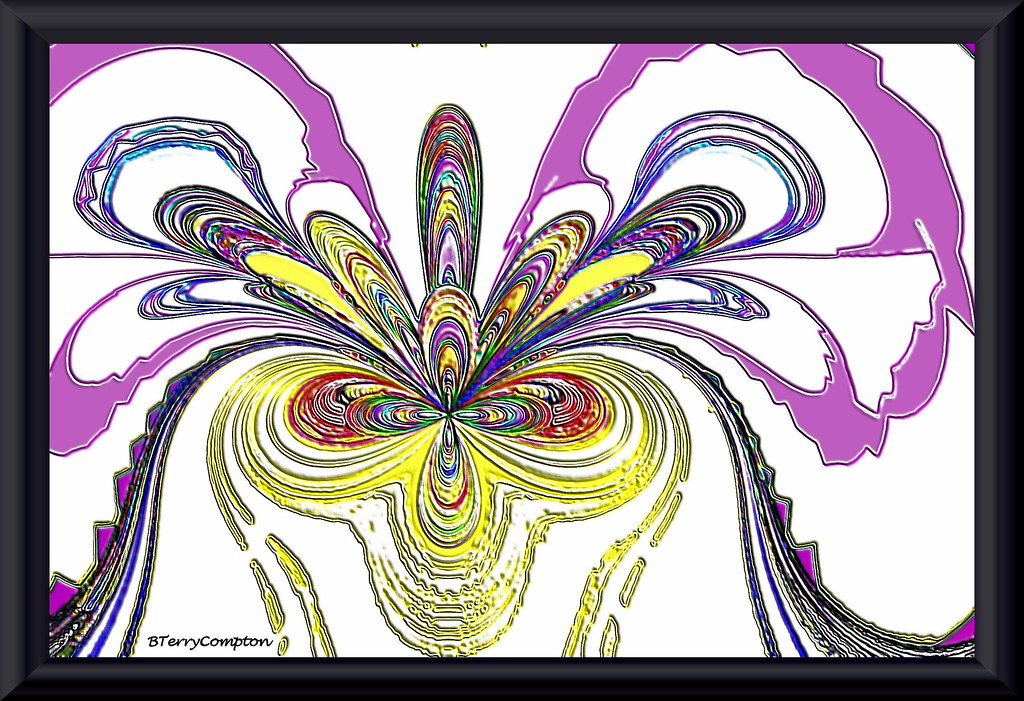
Today’s art photographers are increasingly incorporating mixed media techniques, seamlessly blending photography with painting, digital art, and collage. This approach enriches the storytelling aspect of imagery, allowing for deeper emotional engagement.
- Combining Textures: Artists may print photographs onto textured surfaces or layer images with paint to create a compelling visual dialogue.
- Digital Manipulation: Advanced software tools allow photographers to create surreal landscapes, bending reality while retaining a photographic basis.
2. Experimentation with Light
Light has always been an essential element in photography, but contemporary artists are pushing its boundaries further. The play of light and shadows can evoke mood and drama in ways that starkly differ from traditional methods.
- Light Painting: By using long exposure techniques, photographers can draw with light, adding dynamic elements to still images.
- Chiaroscuro Effects: This classic technique of strong contrasts between light and dark continues to inspire modern photographers, evoking classical art in a contemporary context.
3. Emphasis on Narrative
Art photographers today are keen on storytelling, using their works as a means to communicate personal narratives or explore universal themes.
- Conceptual Frameworks: Artists craft narratives that challenge viewers to engage more deeply with the imagery, often exploring themes of identity, memory, and society.
- Subtext in Composition: Each element within a frame is thoughtfully considered, allowing for multiple interpretations and encouraging viewers to derive personal meaning.
Inspirations in Art Photography
1. Nature and Environment
The natural world is a profound source of inspiration for many artists. Nature’s beauty and complexity prompt photographers to reflect on broader themes of humanity’s relationship with the environment.
- Environmental Awareness: Many contemporary photographers use their art to highlight ecological issues, fostering awareness through striking visual representations.
- Seasonal Change: Capturing the transient beauty of seasons allows photographers to explore themes of impermanence and regeneration.
2. Urban Landscapes
Cities serve as vibrant canvases for art photography, teeming with life and stories. Urban environments provide a juxtaposition of humanity and architecture.
- Street Photography: Candid shots in urban settings can reveal the raw essence of everyday life, showcasing interactions and fleeting moments that tell stories.
- Architectural Studies: Abstract representations of buildings through unique angles and perspectives can breathe new life into familiar structures, inviting viewers to see their surroundings differently.
3. The Human Experience
Human emotions remain at the heart of art photography. Portraiture, in particular, has seen a resurgence as artists strive to capture raw, unfiltered emotions.
- Intimate Portraits: Close-up shots emphasize emotional depth, revealing vulnerability and strength.
- Documentary Styles: Photographers are increasingly adopting a documentary style to tell stories of individuals and communities, emphasizing the shared human experience.
The Role of Technology in Art Photography
As technology continues to progress, the world of art photography is witnessing significant shifts that impact both the creation and consumption of art.
1. Accessibility of Tools
The democratization of photography through smartphones and affordable camera equipment has led to a surge in amateur photographers exploring their creative sides.
2. Online Platforms and Social Media
Social media platforms have revolutionized how photographers share their work, gain feedback, and build communities. Contest platforms and online galleries provide avenues for emerging talents to showcase their art.
Conclusion: The Ever-Evolving Landscape of Art Photography
Art photography in 2026 is a testament to the boundless creativity and innovation present in the field. By blending techniques, exploring diverse inspirations, and leveraging technology, photographers continue to push the art form forward. As they navigate the complexities of expression, they invite viewers to embark on journeys that challenge perceptions and evoke emotional responses. In an age where art can transcend traditional boundaries, the future of art photography is bright, inviting all to witness and participate in this vibrant conversation.
0 Comments