Introduction to Art Photography
In the dynamic world of visual arts, art photography emerges as a captivating medium that blends creativity with technical skill. As we progress through 2026, this form continues to evolve, offering fresh perspectives and innovative approaches. This article delves into the essence of art photography, examining its current trends, techniques, and the impact it has on the viewer.
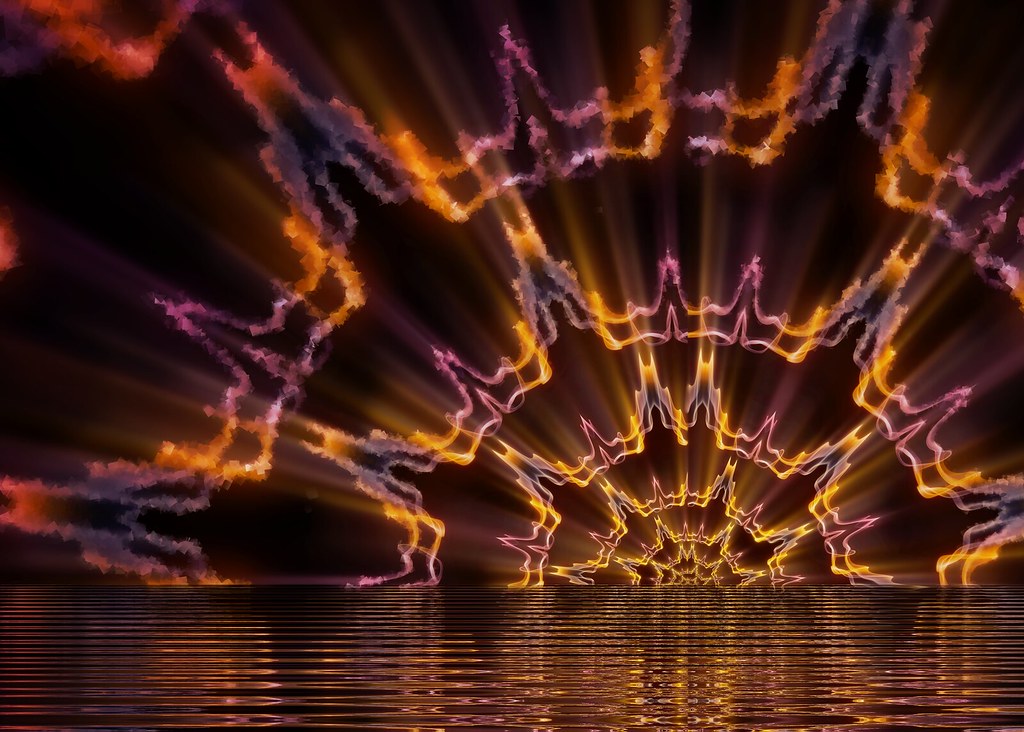
Understanding Art Photography
Art photography goes beyond mere representation; it seeks to convey emotions, concepts, and narratives through visual storytelling. Unlike commercial photography, which typically aims for functionality, art photography emphasizes aesthetic value and personal expression.
Key Characteristics of Art Photography
- Subjectivity: Each photograph is infused with the artist’s personal vision and interpretation.
- Composition: The arrangement of elements within the frame plays a crucial role in conveying meaning.
- Technique: Mastery of photography techniques enhances the artistic expression, from lighting to post-processing.
- Conceptual Depth: Many art photographs are driven by a concept or theme that prompts viewers to think and reflect.
Current Trends in Art Photography (2026)
The Rise of Mixed Media
In today’s art photography landscape, the incorporation of mixed media has become increasingly popular. Artists are experimenting by combining photography with painting, digital art, and collage techniques. This fusion not only enhances visual interest but also allows for a more profound artistic expression.
Sustainability in Art
As awareness of environmental issues grows, many photographers are embracing sustainable practices. This includes using eco-friendly materials for prints, exploring themes centered around nature conservation, and promoting awareness through their works.
Virtual Reality and 360-Degree Photography
With advancements in technology, virtual reality has found its place within the realm of art photography. Artists are crafting immersive experiences that transport viewers into the photographic world, allowing them to interact with the art in unique ways.
Techniques for Creating Impactful Art Photos
Playing with Light and Shadow
Light is one of the most powerful tools in photography. Understanding how to manipulate natural and artificial light can dramatically alter the mood and tone of a photo. Experimenting with shadows can add depth and drama, creating a more engaging viewer experience.
Utilizing Color Theory
Color plays a pivotal role in art photography. Familiarity with color theory allows photographers to select palettes that evoke specific emotions or responses. Consider how warm colors can invoke feelings of comfort while cooler tones can elicit calmness or melancholy.
Exploration of Subject Matter
Choosing compelling subject matter is fundamental to effective art photography. Whether it’s human emotions captured in portraits or the intricate details of nature, the subjects should resonate with the artist’s vision and provoke thought in the viewer. Also read: wak89 for more insights.
Art Photography as a Medium for Social Commentary
In 2026, art photography continues to serve as a powerful medium for social commentary. Many photographers are using their work to address pressing societal issues, including inequality, climate change, and cultural identity.
Highlighting Marginalized Voices
Art photographers are amplifying the stories of marginalized groups through their work. By focusing on these subjects, they create awareness and foster dialogue, encouraging viewers to engage with important societal themes.
Documentary Influences
Documentary photography influences the art photography genre, where artists capture real-life moments that reflect society’s issues. This approach allows photographers to tell stories that spark conversation and inspire action.
The Future of Art Photography
Looking ahead, the future of art photography appears vibrant and full of potential. With the ongoing advancements in technology, photographers have more tools at their disposal than ever before. AI-generated art, for example, poses both challenges and opportunities, prompting artists to rethink their creative processes.
Community and Collaboration
Collaboration among photographers and other artists is likely to thrive in the coming years. Workshops, exhibitions, and online platforms are fostering connections that inspire new ideas and creative endeavors.
Global Perspectives
As the art photography realm becomes increasingly global, diverse perspectives will enrich the conversation. Artists from various cultural backgrounds are sharing their unique narratives, leading to a more inclusive understanding of the art world.
Conclusion
Art photography in 2026 stands as a testament to the fusion of technology and human creativity. It encourages exploration and experimentation, inviting both creators and viewers to engage with the world in deeper ways. As trends evolve and new techniques emerge, the allure of art photography will continue to captivate and inspire.



0 Comments