Introduction
As we venture further into 2026, art photography continues to transform, intertwining with the advancements in technology and digital media. This fusion not only redefines how we capture and interpret images but also expands the boundaries of artistic expression.
The Rise of Digital Art Photography
The emergence of digital photography has revolutionized the art landscape. Unlike traditional methods, digital photography offers flexibility, immediacy, and accessibility.
1. Instant Gratification and Editing
Artists today can capture moments and edit them in real-time, allowing for rapid experimentation and creativity. The plethora of editing software available means that photographers can refine their work, manipulate images, and create new narratives with ease.
2. The Influence of Social Media
Platforms like Instagram, Pinterest, and TikTok have become essential tools for photographers to showcase their work, gain exposure, and engage with audiences globally. This has opened up new avenues for artistic collaboration, networking, and even commercial opportunities.
Innovative Techniques in Art Photography
As technology evolves, so do the techniques employed by photographers. Here are some notable trends in the art photography sphere:
- Virtual Reality (VR) and Augmented Reality (AR): Artists are utilizing VR and AR to create immersive experiences that allow viewers to interact with their photographs like never before.
- 3D Photography: Adding a dimensional aspect to photographs, creating depth and a new viewing experience.
- AI in Photography: Artificial Intelligence is shaping how images are captured and edited, offering tools that assist in composition and color correction.
Art Photography as a Form of Expression
The digital age has empowered photographers to explore deeper narratives through their work. The connections viewers make with images can be profound, as they often reflect societal issues, emotions, and personal stories.
1. Personal Narratives
Many artists are turning to autobiographical themes, using their photography to express their identity, culture, and experiences. These works resonate deeply with audiences, fostering empathy and understanding.
2. Exploring Abstraction
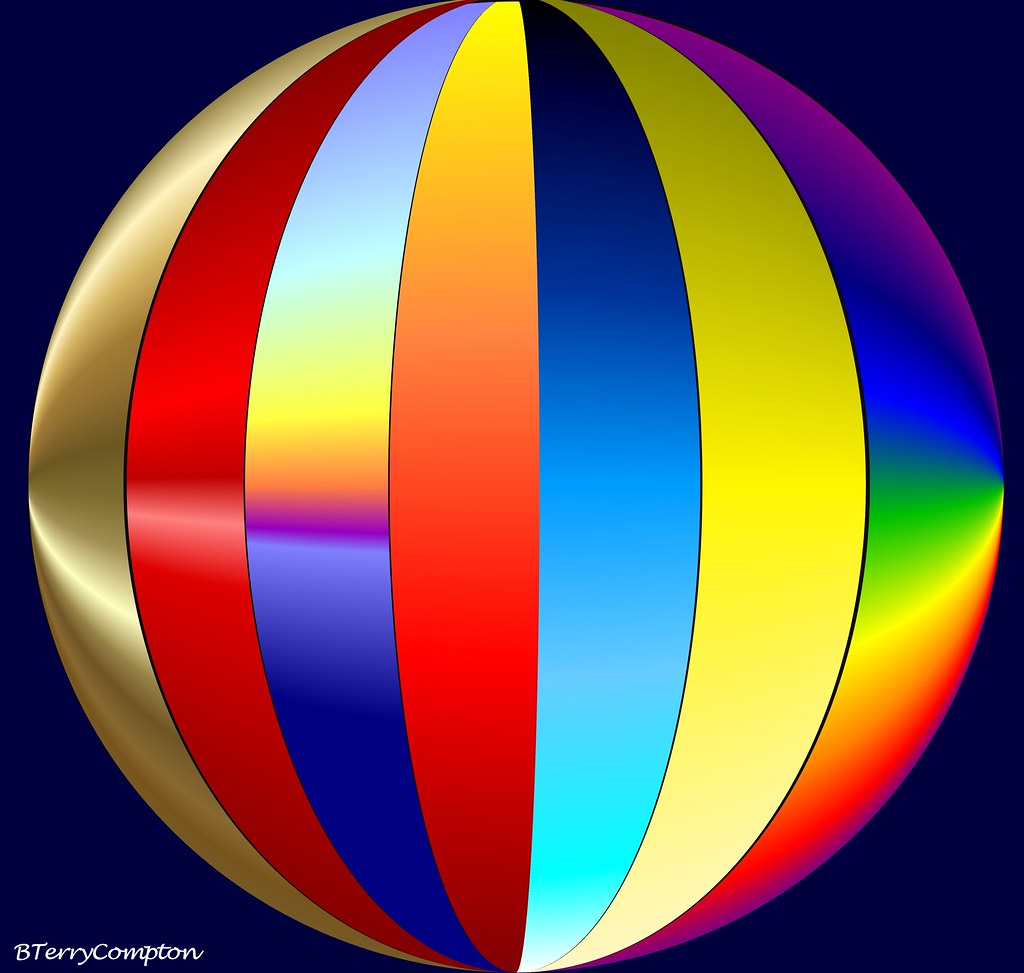
Abstract photography continues to gain traction. Artists use colors, shapes, and textures to evoke emotions rather than depict reality, challenging viewers to interpret the meaning behind the images.
The Future of Art Photography
As we look ahead, the future of art photography promises to be exciting and dynamic. Here are a few trends to watch:
- Integration with Other Art Forms: The boundary between photography and other forms of art such as painting, sculpture, and performance will continue to blur, leading to innovative collaborations.
- Focus on Sustainability: With increasing awareness around climate change, more photographers are adopting eco-friendly practices, from the materials used to the themes explored in their work.
- Personalized Art Experiences: As technology becomes more integrated into our daily lives, artists will likely create personalized experiences for viewers, tailoring content to individual preferences using data analytics.
Conclusion
Art photography in 2026 is not merely an evolution; it is a revolution fueled by technology and human expression. As we continue to explore the interplay between digital tools and creative vision, we find ourselves in a realm of limitless possibilities. Whether you are a seasoned photographer or a newcomer, embracing these changes will only enrich your artistic journey.

0 Comments