The Art Photography Landscape Today
As we traverse through the vibrant world of art photography in 2026, it’s clear that this medium continues to evolve. With advancements in technology and a broader acceptance of diverse artistic expressions, the art photography scene is rich with creativity and innovation. But what does it mean to capture a moment in this ever-changing landscape? Let’s explore.
Understanding Art Photography
Art photography transcends mere documentation or portrayal of reality; it’s an evocative expression of the photographer’s vision. Unlike commercial photography, which aims for utility and impact, art photography seeks to evoke emotion and provoke thought. Here are some elements that define art photography:
- Intention: Every piece has a story or message behind it.
- Composition: Careful consideration of elements like light, color, and form.
- Emotion: An effective piece resonates with the viewer and elicits feelings.
- Technique: The use of distinct methods to create visual art.
Trends Shaping Art Photography in 2026
Trends in art photography are often reflections of societal changes. In 2026, several key trends have emerged:
1. Sustainable Practices
With increasing awareness of environmental issues, many photographers are adopting sustainable practices. This shift includes using eco-friendly materials and opting for digital platforms over physical prints. Photographers are also focusing on themes that highlight environmental conservation.
2. Mixed Media and Digital Techniques
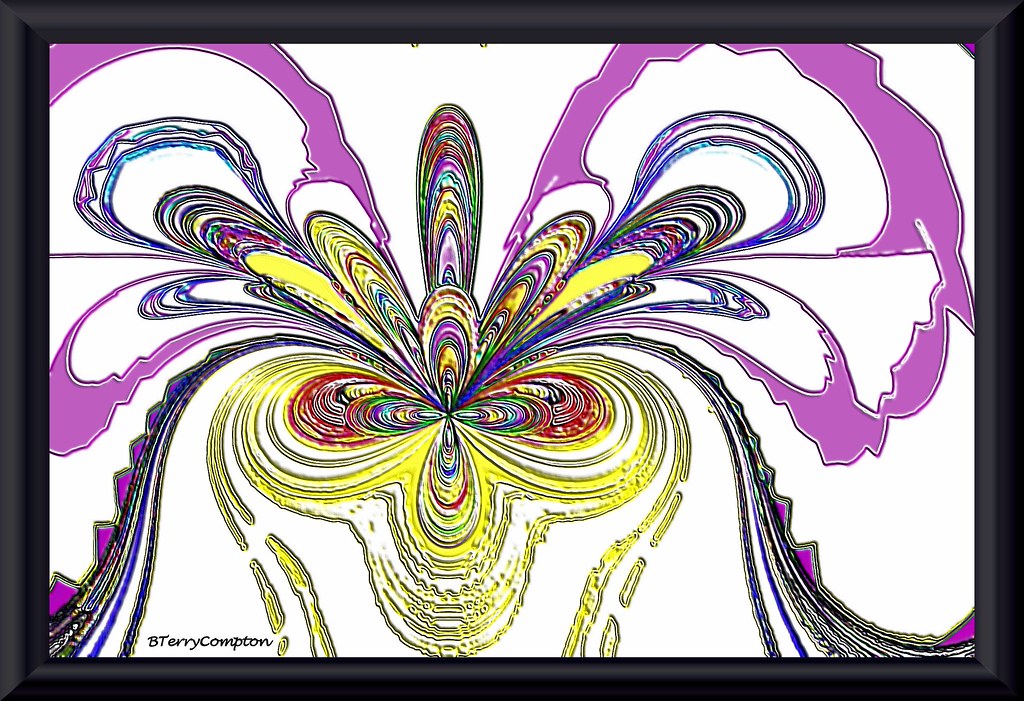
The blending of photography with other art forms is becoming more prevalent. Many artists are combining photography with painting, collage, and digital manipulation to produce unique hybrid works that challenge traditional notions of art.
3. Storytelling through Photography
Photographers are increasingly using their medium to tell stories. Whether personal narratives or broader societal issues, photo series are being crafted to explore deeper themes. This trend allows viewers to engage with artworks on an emotional level.
4. The Rise of Community Engagement
Art photography is becoming more community-oriented. Photographers are collaborating with local communities to produce works that reflect collective experiences and identities, fostering a sense of belonging and shared history.
Famous Art Photographers Making Waves in 2026
While many talented photographers contribute to the art photography scene, a few standout individuals are pushing boundaries this year:
- Ava Thompson: Known for her vibrant color palette and emphasis on cultural identity, Ava’s exhibitions have gained international acclaim.
- Jasper Lim: A proponent of mixed media, Jasper’s work blurs the lines between photography and installation art, inviting audiences to interact with his pieces.
- Elena Rodriguez: Focused on environmental themes, Elena uses her photography to raise awareness about climate change, showcasing the beauty of nature and its fragility.
How to Get Started in Art Photography
Whether you’re an aspiring photographer or simply an enthusiast looking to expand your understanding, here are some tips to help you get started:
1. Find Your Unique Voice
Identify what moves you and what you want to express. Your unique perspective will set your work apart.
2. Experiment with Techniques
Don’t be afraid to try new methods—play with lighting, composition, and post-processing to discover what resonates with you.
3. Participate in Workshops
Engaging with seasoned photographers can provide valuable insights. Consider attending workshops and seminars to expand your skill set.
4. Build a Portfolio
Document your best works to create a portfolio that showcases your style and technique. This is essential whether you’re seeking exhibitions, galleries, or online presence.
The Future of Art Photography
Looking ahead, art photography is poised to continue its evolution. As technology advances and societal narratives shift, the possibilities are endless. Photographers must remain adaptable and open-minded, ready to embrace the changes that lie ahead.
Conclusion
In essence, art photography in 2026 reflects a rich tapestry of community, sustainability, and storytelling. It invites both artists and viewers to explore the depths of human experience and the visual possibilities that exist beyond the frame. As we capture moments in time, we find ourselves intertwined in the fabric of artistic expression.

0 Comments