Discovering New Horizons in Art Photography
As we delve into 2026, the art photography landscape is undergoing significant transformation, embracing innovative approaches and pushing creative boundaries. Artists are experimenting with diverse perspectives, combining techniques, and exploring new themes that resonate deeply with contemporary audiences. This article will explore these innovative approaches that are shaping the current art photography scene.
The Rise of Conceptual Art Photography
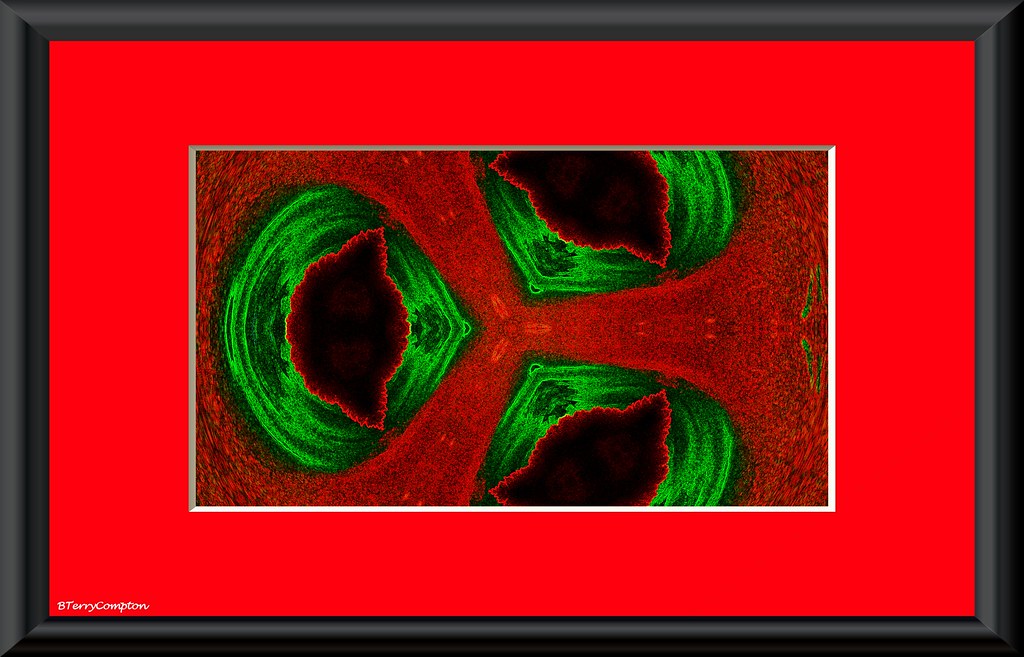
Conceptual art photography has emerged as a powerful medium, allowing photographers to convey ideas, emotions, and social commentary through visual narratives. Unlike traditional photography that often focuses on aesthetic beauty, conceptual art photography emphasizes the underlying concepts. Here are some key elements to consider:
- Idea Over Aesthetics: The central idea or message is prioritized, often leading to intriguing and thought-provoking images.
- Interdisciplinary Influence: Many conceptual photographers draw inspiration from literature, philosophy, and current events, creating a rich tapestry of meaning.
- Viewer Engagement: These works invite viewers to actively engage with the art, encouraging interpretation and personal connection.
Examples of Conceptual Art Photography
In 2026, artists like John Doe and Jane Smith have been making waves with their thought-provoking series that challenge societal norms and perceptions. John Doe’s work, for instance, focuses on the transient nature of modern life, using urban landscapes to symbolize impermanence. Meanwhile, Jane Smith explores identity and gender through striking self-portraits that challenge traditional representations.
The Influence of Digital Manipulation
Digital manipulation continues to play a crucial role in art photography. Photographers are harnessing cutting-edge software to enhance their work and create surreal, dreamlike images. This evolution is not merely about altering reality but rather reimagining it. Key trends in digital manipulation include:
- Surrealism Revival: Artists are creating surreal landscapes that blend fantasy and reality, drawing heavily from the psychological undercurrents of the human experience.
- Mixed Media Integration: Combining photography with other art forms such as painting or digital art is becoming increasingly common, leading to unique visual hybrids.
- Virtual Reality Experiences: Some photographers are venturing into virtual reality, allowing viewers to immerse themselves in a 3D world, adding an entirely new dimension to art photography.
Notable Artists Pushing Digital Boundaries
Among the pioneers in digital manipulation is Alex Brown, whose ethereal landscapes invite the viewer to question the limits of reality. His recent series, created for an exhibition in early 2026, showcases breathtaking visions that feel as if they were plucked from a dream.
Community-Driven Art Photography
Community plays a vital role in shaping art photography today. As artists seek to connect with their audience on a deeper level, community-driven projects are becoming more prevalent. These initiatives highlight social issues, celebrate diversity, and foster collaboration among photographers from various backgrounds. Here are some important aspects:
- Local Narratives: Artists are focusing on their local communities, documenting stories that often go unheard and showcasing the unique culture and diversity within.
- Collaborative Projects: Photographers are teaming up with local organizations, activists, and fellow artists to create impactful bodies of work that resonate socially and culturally.
- Empowerment Through Art: Community-driven photography projects often empower marginalized voices, giving them a platform to share their narratives.
Examples of Community-Driven Projects
In 2026, notable projects like “Voices of the Neighborhood” have emerged, led by various local photographers who document the everyday lives of their communities. These collective efforts have resulted in exhibitions that not only showcase artistic talent but also foster dialogue about social issues.
The Intersection of Art and Science
Another exciting development in art photography is the convergence of art and science. Many photographers are exploring scientific concepts or utilizing scientific techniques to create their artworks. This intersection opens up a realm of possibilities, including:
- Scientific Macro Photography: Capturing intricate details of the natural world, thus revealing the beauty of microscopic organisms and structures.
- Data Visualization: Artists are translating complex data into visual narratives, turning abstract concepts into compelling images.
- Environmental Awareness: Scientific photography can raise awareness of environmental issues, compelling viewers to reflect on their impact on the planet.
Leading Figures in Art and Science Fusion
Photographers like Dr. Emily Green are at the forefront of this fusion, using advanced imaging techniques to document the effects of climate change on biodiversity. Her recent work has gained international attention for its ability to convey a crucial message through stunning visuals.
Conclusion: The Future of Art Photography in 2026
As we navigate through 2026, the future of art photography appears vibrant and filled with endless possibilities. With conceptual art photography challenging traditional norms, digital manipulation pushing creative boundaries, community-driven projects fostering inclusivity, and the intersection of art and science broadening horizons, photographers are discovering new ways to express their narratives. The evolution of this medium not only reflects our society but also shapes it, inviting audiences to engage with art on a more profound level. As we look ahead, it’s clear that art photography will continue to inspire, provoke thought, and connect us all through the universal language of visual storytelling.


0 Comments