Introduction to Art Photography in 2026
As we step into 2026, the realm of art photography continues to evolve, driven by advancements in technology and a growing appreciation for artistic expression. This article explores the innovative techniques that are shaping the contemporary art photography landscape, showcasing how photographers are pushing boundaries and redefining their craft.
The Role of Technology in Modern Art Photography
Technology has always played a pivotal role in the evolution of photography. This year, several trends stand out, influencing the techniques and approaches photographers are embracing.
- AI and Machine Learning: Artificial intelligence is not just a tool; it has become a creative partner. Photographers are using AI algorithms to enhance their images, generate unique art styles, and even assist in post-processing tasks.
- 3D Imaging: The integration of 3D technology allows artists to create immersive photographic experiences. This year, the use of 3D cameras and software is helping photographers offer viewers a multi-dimensional perspective of their subjects.
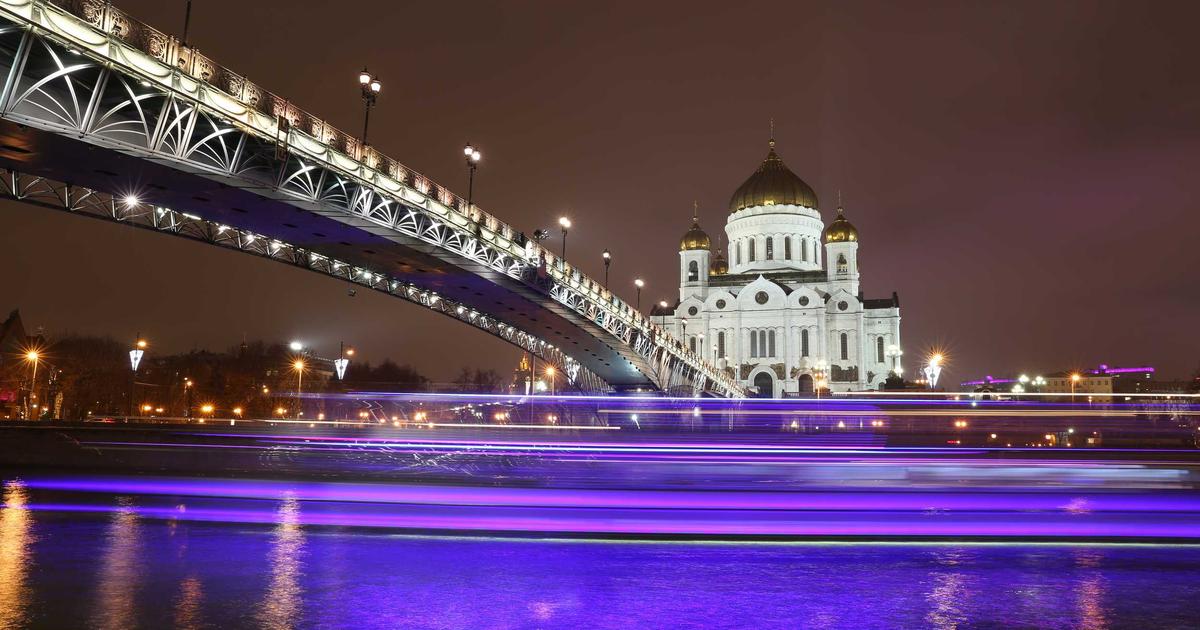
- High Dynamic Range Imaging (HDR): HDR continues to evolve, enabling artists to capture a broader spectrum of light and detail. This technique is particularly effective in landscape and architectural photography, creating stunning visuals that were once impossible.
Creative Approaches to Composition
Composition remains a fundamental aspect of art photography. However, contemporary artists are challenging traditional norms, embracing creativity and experimentation.
- Unconventional Perspectives: Many photographers are choosing to shoot from atypical angles and heights, creating unique viewpoints that engage viewers in new ways. From aerial photography to ground-level shots, the diversity of perspective invites fresh interpretations.
- Mixed Media: The blending of photography with other art forms, such as painting and sculpture, is on the rise. Photographers are layering images, using textures, and incorporating physical elements to create striking mixed media pieces that challenge the viewer’s experience.
- Negative Space Exploration: Using negative space effectively can draw attention to the primary subject. This minimalist approach is gaining traction, encouraging photographers to simplify their compositions for greater impact.
Thematic Trends Influencing Art Photography
In 2026, thematic elements are also influencing how photographers approach their work. From personal narratives to societal reflections, here are a few prominent themes:
- Identity and Community: Many artists are capturing the essence of identity through their work, reflecting cultural, social, and personal narratives. This focus on community storytelling fosters a deeper connection between the photographer and their subjects.
- Environmental Awareness: As climate change becomes an increasingly pressing issue, many photographers are dedicating their work to environmental themes. From documenting the impact of global warming to showcasing the beauty of nature, art photography is serving as a powerful medium for advocacy.
- Technological Critique: With technology saturating our lives, some photographers are exploring its impact on human relationships and society. Through their art, they are questioning the connections and disconnections created by digital advances.
The Importance of Personal Style
In the competitive world of art photography, developing a personal style is crucial. Photographers are using various techniques to establish their unique voice:
- Color Palettes: A consistent color palette helps in creating a recognizable brand. Whether opting for muted tones or vibrant hues, artists are choosing colors that resonate with their intended message.
- Signature Techniques: From specific editing styles to unique framing methods, photographers are developing signature techniques that distinguish their work from others.
- Storytelling Elements: Adding narrative elements within a series of images allows photographers to engage viewers on a deeper emotional level, encouraging them to explore the story behind the photograph.
Conclusion: The Future of Art Photography
As we navigate through 2026, the world of art photography is more dynamic than ever. Through innovative techniques, creative approaches to composition, and thematic exploration, photographers are redefining what it means to create art. Looking ahead, we can expect to see even more exciting developments as technology continues to advance and artists find new ways to push boundaries. The evolution of art photography is an ongoing journey, one that invites everyone to partake in its beauty and complexity.



0 Comments