The Art of Seeing: The Essence of Art Photography
In the ever-evolving world of photography, art photography stands as a testament to the transformative power of visual storytelling. As we find ourselves well into 2026, this genre has not only retained its allure but has also developed into a multifaceted platform for expression and innovation. This article aims to explore the current landscape of art photography, examining the trends, techniques, and emotional narratives that define it today.
Emerging Trends in Art Photography
As technology continues to reshape the artistic landscape, several trends have emerged, influencing how photographers capture and present their work. Here are some notable trends that are shaping the art photography scene in 2026:
- AI and Generative Art: The integration of artificial intelligence into the creative process is revolutionizing how artists conceptualize their work. AI tools allow photographers to experiment with new styles, creating unique compositions that merge traditional techniques with digital innovation.
- Environmental Consciousness: Many art photographers are increasingly focusing on themes of sustainability and environmental awareness. This trend reflects a growing desire to use art as a medium for activism, encouraging viewers to engage with pressing global issues.
- Interactive Installations: With advancements in technology, immersive and interactive art installations have gained popularity. These setups often invite viewers to participate, blurring the line between the observer and the observed.
- Personal Narratives: A significant number of art photographers are using their work to share personal stories and experiences. This trend emphasizes the emotional connection between the artist and their audience, turning each photograph into a poignant narrative.
The Techniques Defining Art Photography in 2026
In the realm of art photography, the techniques employed by artists have become as diverse as the subjects they capture. Some key techniques being utilized today include:
- Mixed Media Approaches: Combining photography with painting, sculpture, and digital art allows for a richer sensory experience. This blend creates layers of meaning, encouraging viewers to engage with the artwork on multiple levels.
- Long Exposure Techniques: Long exposure photography continues to enchant audiences, creating ethereal images that play with light and time. This technique captures movement in a static frame, telling a story that transcends the snapshot.
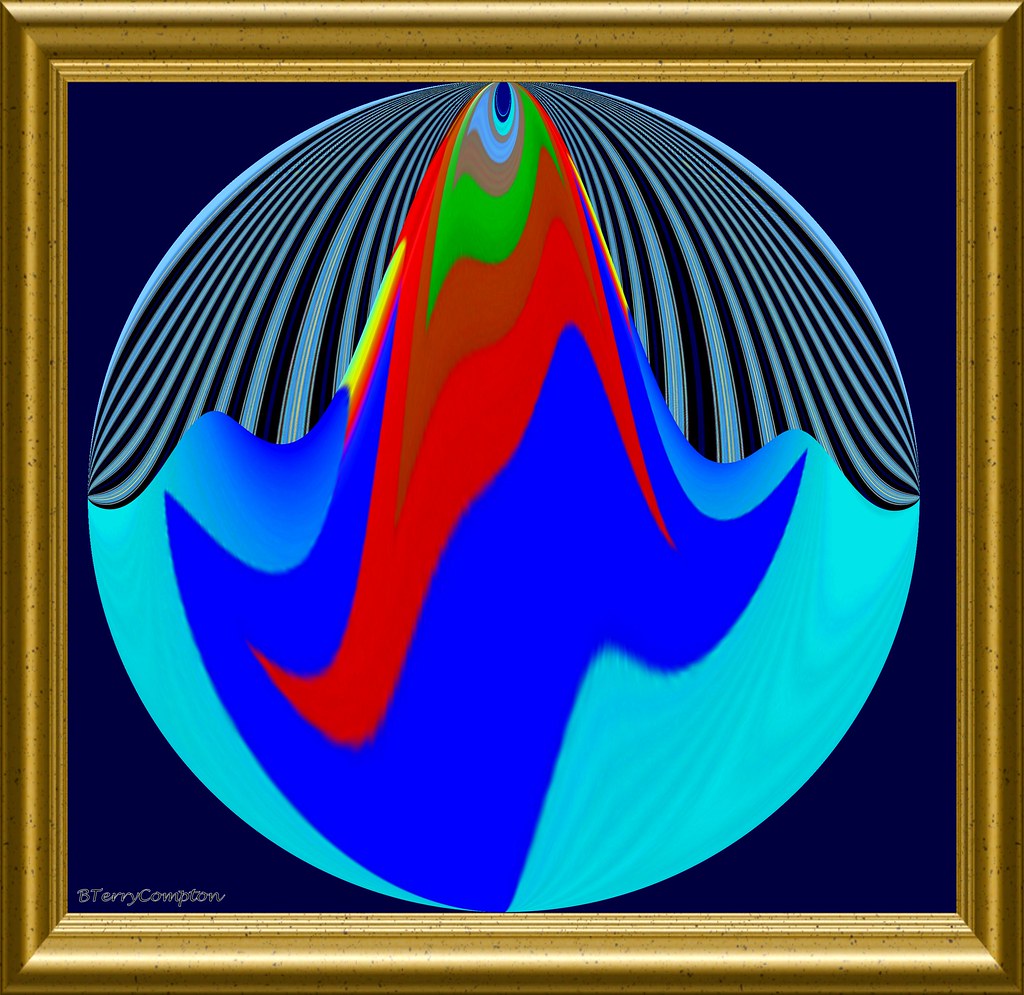
- Abstract Photography: Abstract art photography favors shapes, colors, and forms over recognizable subjects. This trend challenges traditional notions of representation, inviting viewers to interpret images through their emotions and perceptions.
Art Photography as a Medium for Social Commentary
One of the most powerful aspects of art photography is its ability to provoke thought and inspire dialogue. Many contemporary photographers are using their work as a medium for social commentary, addressing issues such as: Also read: WAK89 for more insights.
- Inequality and Inclusion: Art photography has become a platform to explore themes of diversity, equity, and inclusion. Artists are shining a light on marginalized communities, using their lens to tell stories that challenge societal norms.
- Cultural Identity: Photographers are increasingly examining their cultural heritage, exploring themes of identity and belonging. This exploration is resulting in rich visual narratives that celebrate diverse backgrounds while also confronting representation.
- Global Crises: The ongoing challenges of climate change, social justice movements, and health crises are being captured by photographers dedicated to raising awareness through their art. Each image serves as a reminder of the world we inhabit and the narratives we must confront.
Emotional Resonance in Art Photography
At its core, art photography strives to evoke emotion. The best photographers possess a unique ability to capture the essence of a moment, allowing viewers to connect with their work on a deeply personal level. In 2026, the following elements are crucial for achieving emotional resonance:
- Storytelling: Every photograph tells a story. Photographers are tasked with conveying narratives that resonate with audiences, often invoking feelings of nostalgia, joy, or contemplation.
- Use of Color and Composition: The effective use of color theory and composition can heighten emotional impact. Colors can evoke feelings; for example, warmer tones may convey comfort, while cooler tones may evoke sadness or introspection.
- Authenticity: An authentic perspective fosters connection. Artists who present their true selves and experiences often resonate more deeply with their audience, creating a bond between creator and viewer.
The Future of Art Photography
As we look forward, the future of art photography remains bright. With the continuous evolution of technology, artists will find new ways to push boundaries, experiment with techniques, and tell compelling stories. The convergence of traditional and digital mediums will provide exciting opportunities for innovation, ensuring art photography remains relevant and influential in contemporary culture.
Engaging with Art Photography
For anyone interested in exploring the world of art photography, there are numerous avenues to get involved. From attending exhibitions to participating in workshops, here are some ways to deepen your appreciation:
- Visit Local Galleries: Seek out local galleries showcasing contemporary art photography. Support local artists and gain insight into current trends and narratives.
- Collaborate with Artists: If you’re an aspiring photographer, consider collaborating with experienced artists. This will allow you to learn from their techniques and perspectives while building your portfolio.
- Experiment with Your Style: Don’t be afraid to try new techniques and explore your unique photographic voice. Whether through self-portraiture, landscape, or abstract photography, every photograph is an opportunity to express yourself.
In conclusion, the world of art photography in 2026 is vibrant and dynamic, driven by innovation, emotional depth, and a profound commitment to social issues. As artists continue to explore new trends and techniques while sharing personal and societal narratives, the power of art photography will undoubtedly flourish for years to come.
0 Comments