The Rise of Art Photography in a Visual Culture
As we find ourselves in 2026, the realm of art photography continues to flourish, becoming an integral part of our visual culture. With the proliferation of image-sharing platforms and social media, photography has transitioned from mere documentation to a sophisticated form of artistic expression. This article explores the latest trends and inspirations shaping the world of art photography today.
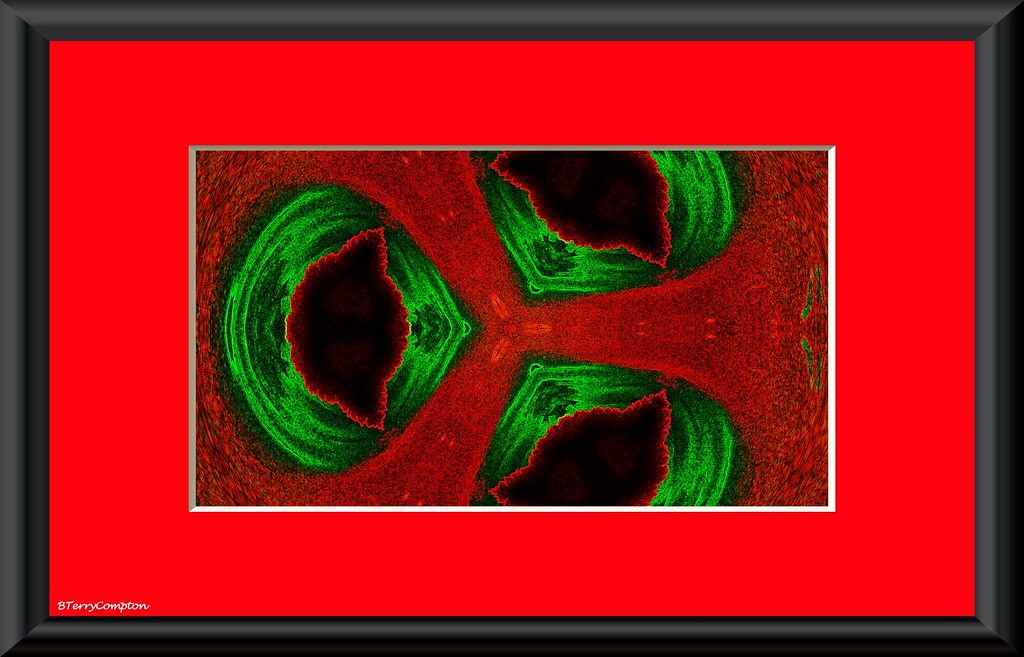
Understanding the Art Photography Aesthetic
Art photography is not just about capturing a moment; it transcends traditional photography by imbuing images with deeper meanings and emotions. It uniquely reflects the personal visions of photographers and invites viewers to engage with the narrative beyond the surface.
Key Elements Defining Art Photography
- Conceptual Themes: Modern art photography often revolves around thematic elements, such as identity, nature, and social issues.
- Visual Language: The choice of composition, lighting, and color palette plays a pivotal role in communicating the artist’s message.
- Personal Style: Every artist develops a distinctive approach, whether through manipulating images in post-production or utilizing unique shooting techniques.
Exploring New Aesthetic Directions
The current landscape of art photography in 2026 is marked by several standout trends that are influencing artists around the globe.
1. The Return to Film
While digital photography remains dominant, there is a resurgence of interest in traditional film photography. Artists are experimenting with film’s unique textures and tones, which bring a nostalgic quality to their work. This resurgence allows for the exploration of analog techniques, creating images that resonate on an emotional level.
2. Eco-Conscious Photography
With growing environmental concerns, many photographers are embracing eco-conscious practices. This includes using sustainable materials, promoting environmental themes, and harnessing natural light to minimize carbon footprints. Such initiatives not only enhance the narrative of their work but also align with a global movement towards sustainability.
3. Mixed Media Approaches
Photographers are increasingly blending photography with other art forms, such as painting and sculpture. This fusion challenges traditional notions of photography and encourages innovative storytelling methods. By integrating textiles, paints, or digital elements, artists create immersive experiences that captivate audiences.
Engagement through Interactive Art Photography
In 2026, interactivity has emerged as an essential component of art photography. Engaging the viewer in a dynamic way creates a more profound connection to the artwork.
Experiential Installations
Photographers are crafting installations that invite viewers to step inside their visual worlds. These immersive experiences often combine visual, auditory, and tactile elements, prompting onlookers to not only observe but also participate. Such installations challenge the traditional observer-artist dynamic, fostering a community of shared experiences.
Digital Interactivity
With advancements in technology, artists are utilizing augmented and virtual reality to create interactive narratives around their photography. Viewers can now explore artworks from multiple perspectives, enhancing their understanding and emotional connection to the themes presented.
The Influence of Social Media
Social media platforms have revolutionized how art photography is shared and perceived. In 2026, visual storytelling plays a significant role in connecting artists with audiences.
Building a Community
Platforms like Instagram and TikTok have fostered communities around specific photography genres, helping artists gain exposure and collaborate with others. These platforms not only allow artists to showcase their work but also to receive immediate feedback, which can influence their creative processes.
Curating Online Exhibitions
As traditional galleries adapt, online exhibitions have become increasingly popular. Art photographers are curating digital showcases, offering global access to their work. This shift democratizes art appreciation and allows for diverse narratives to flourish in the digital space.
Conclusion: The Future of Art Photography
In 2026, art photography continues to evolve, driven by innovation, community engagement, and a commitment to addressing socio-political issues. As artists embrace new technologies and practices, they remain steadfast in their pursuit of expressing complex narratives through their lenses.
Whether through the revival of film or the integration of interactive elements, the timeless allure of art photography remains strong. As we move forward, it will be fascinating to witness how this vibrant medium further evolves, transcending boundaries and inspiring audiences worldwide.


0 Comments