Scroll through any photography feed in 2026 and you will notice something interesting: the images that stop your thumb are rarely the sharpest or the most technically perfect. More often, they are the ones you cannot immediately explain. A wash of color that might be a wall or a wave. A tangle of shadow that could be a staircase or something else entirely. Abstract art photography is having a genuine moment, and it is not hard to see why.
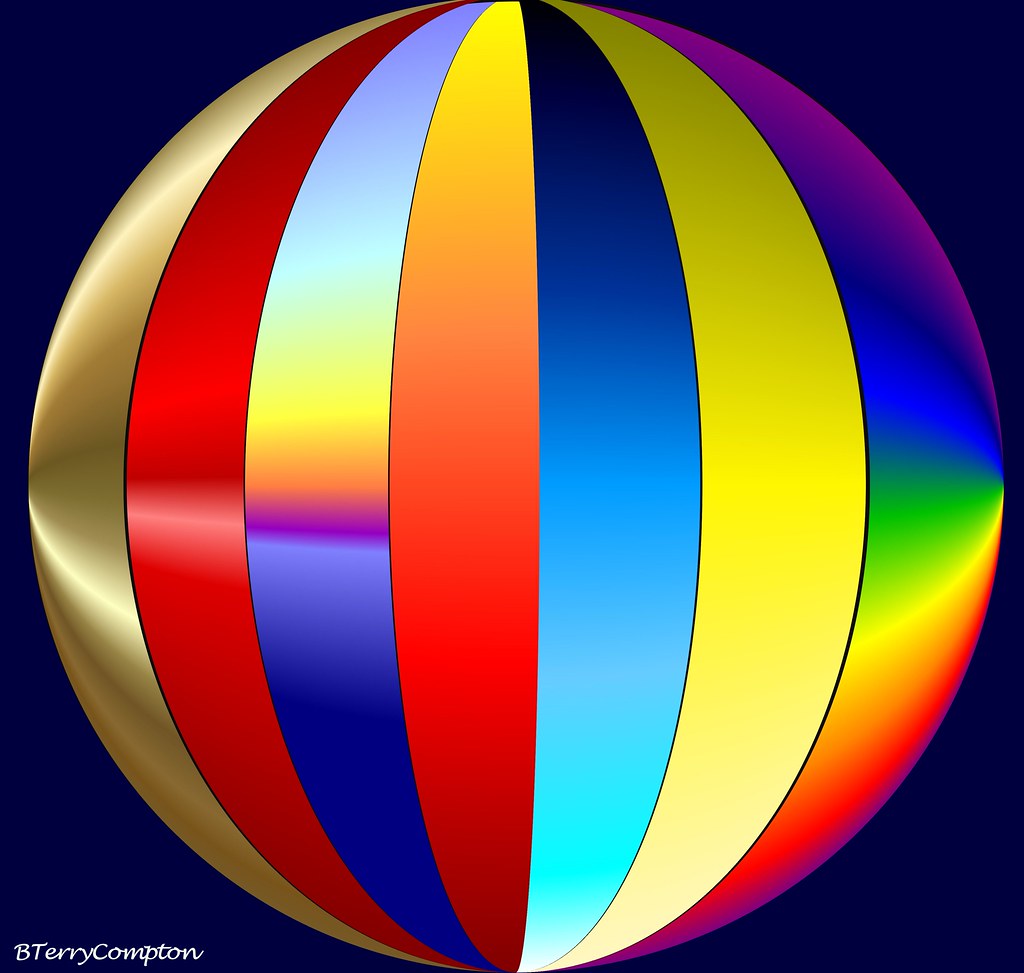
In an era when AI-generated imagery can produce flawless scenes on demand, photographers are rediscovering the value of work that comes from a human eye making unusual choices in the real world. Abstraction is not about expensive gear or exotic locations. It is about perception. And the best part? It is a skill you can train, starting today, with whatever camera you already own.
What Actually Makes a Photograph Abstract?
At its core, abstract photography shifts the viewer’s attention away from what something is and toward how it looks. Line, shape, texture, color, and rhythm become the subject. The recognizable world either recedes into the background or disappears completely.
It helps to think of abstraction as a spectrum rather than a category. On one end, you have semi-abstract work: a photograph of peeling paint on a door, cropped tightly enough that the door stops mattering. On the other end, you have fully non-representational images where nothing is identifiable at all, only pure form and tone. Neither end is more legitimate than the other. What matters is intention. An abstract image works when the photographer has made deliberate decisions about what to include, what to exclude, and how the visual elements interact inside the frame.
Why Abstraction Feels So Relevant Right Now
There is a growing sense of image fatigue among viewers in 2026. Feeds are saturated, attention is fragmented, and perfect pictures have become cheap. Ambiguity, on the other hand, has become valuable. An abstract photograph asks the viewer to slow down and participate, to bring their own interpretation rather than simply consuming a subject.
Curators and gallery programs have picked up on this appetite. Abstract and process-driven photographic work has been increasingly visible at art fairs and in group exhibitions over the past year, and online audiences consistently reward images that feel tactile, strange, and unmistakably made by a person standing somewhere real. For photographers, abstraction is both a creative release and a way to develop a recognizable visual voice.
Five Techniques to Start Making Abstract Images Today
Intentional Camera Movement
Intentional camera movement, often shortened to ICM, means moving the camera during a long exposure to transform a scene into streaks, sweeps, and painterly gestures. Start with a shutter speed between a quarter of a second and two seconds. Trees, city lights at dusk, and ocean horizons are forgiving subjects. The key is to treat the movement itself as a brushstroke: vertical pans for forests, horizontal drifts for seascapes, gentle arcs for something more chaotic. Expect a low keeper rate at first. That is normal, and the failures teach you faster than the successes.
Macro and Close-Up Exploration
Get close enough to almost anything and it becomes unfamiliar. Rust on a railing turns into a landscape. Frost on a window becomes a galaxy. You do not need a dedicated macro lens to begin; a standard lens at its minimum focusing distance, or even a phone camera held close, will reveal worlds you walk past every day. Pay attention to side lighting, which rakes across surfaces and emphasizes texture far better than flat frontal light.
Chasing Shadows and Silhouettes
Hard midday light, the enemy of most photography, is a gift for abstract work. Shadows cast by railings, scaffolding, blinds, and foliage create graphic patterns that shift by the minute. Expose for the highlights and let the dark areas fall to near-black, and you will produce bold, high-contrast compositions built from pure geometry. Early morning and late afternoon stretch those shadows long, offering a different, softer vocabulary.
Reflections, Refractions, and Glass
Shoot through things. Wet windows, prisms, textured glass, puddles, and mirrored surfaces all fracture and recombine the world in ways no filter can convincingly imitate. A rainy bus stop window can layer streetlights, faces, and neon into a single frame that feels closer to a painting than a document. Try photographing a subject’s reflection instead of the subject itself, and watch how the meaning of the image changes.
Texture Hunting in Urban Decay
Weathered walls, torn posters, oxidized metal, and cracked pavement are readymade abstract compositions waiting in plain sight. The discipline here is framing: fill the entire viewfinder with the surface so no context remains, then refine. Square crops often suit this work well, giving the texture a deliberate, object-like quality.
Composing When There Is No Subject
Without a recognizable focal point, composition carries the full weight of the image. A few principles will keep your abstracts from feeling accidental:
- Color relationships first. Limit your palette. Two or three colors in conversation with each other almost always beat a full rainbow.
- Mind the edges. In abstract work, every line that enters or exits the frame matters. Scan the borders before you press the shutter.
- Embrace negative space. Empty areas are not wasted; they give the eye a place to rest and make the active areas more powerful.
- Look for rhythm. Repeating shapes with slight variations create a visual beat that holds attention.
- Balance tension and calm. The strongest abstracts usually contain both: a diagonal fighting a stable horizontal, a warm note inside a cool field.
Common Mistakes Beginners Make
The first is treating abstraction as randomness. Shooting hundreds of frames and hoping one works is not a method; it is a lottery. Decide on a single variable, like shutter speed or distance, and explore it systematically.
The second mistake is ignoring light quality. Abstraction removes the subject, which means light itself becomes your subject. Flat, lifeless light produces flat, lifeless abstracts, no matter how interesting the surface.
The third is over-editing. Heavy saturation, extreme clarity, and stacked presets tend to make abstract work look generic. A light touch that preserves the authenticity of the moment reads as far more confident, especially to curators and editors who review thousands of images.
Finally, many beginners fail to cull ruthlessly. Abstraction is unforgiving: an image either holds together as form and color, or it does not. Show only the frames that genuinely work, even if that means showing very few.
A Simple 30-Day Practice to Rewire Your Eye
Abstract seeing is a muscle, and a month of structured practice will change how you look at everything. In week one, restrict yourself to a single subject category, such as shadows, and shoot it every day. In week two, add movement: dedicate your walks to ICM experiments with one chosen shutter speed. In week three, work only within a set distance of your feet, forcing macro attention on surfaces near the ground. In week four, combine everything, then spend the final days reviewing your month. Print or view your ten strongest images side by side and look for the choices that repeat. Those recurring decisions are the early outline of your personal style.
Final Thoughts
Abstract art photography asks very little of your equipment and a great deal of your attention, which is exactly why it is worth pursuing. It trains you to notice light, form, and color everywhere, and that awareness will quietly improve every other kind of photograph you make. In a visual culture overflowing with literal, instantly readable images, the photographer who can offer mystery holds real power. Start small, stay curious, and let the ordinary world surprise you.

0 Comments