Introduction
Art photography has transformed dramatically over the years, merging the lines between reality and imagination. In 2026, this convergence has created a vibrant tapestry of visual expression that challenges viewers to reconsider their perceptions of the ordinary. As we delve into the themes that dominate the art photography landscape this year, we’ll explore methods, techniques, and the broader implications of these artistic choices.
Defining the Convergence
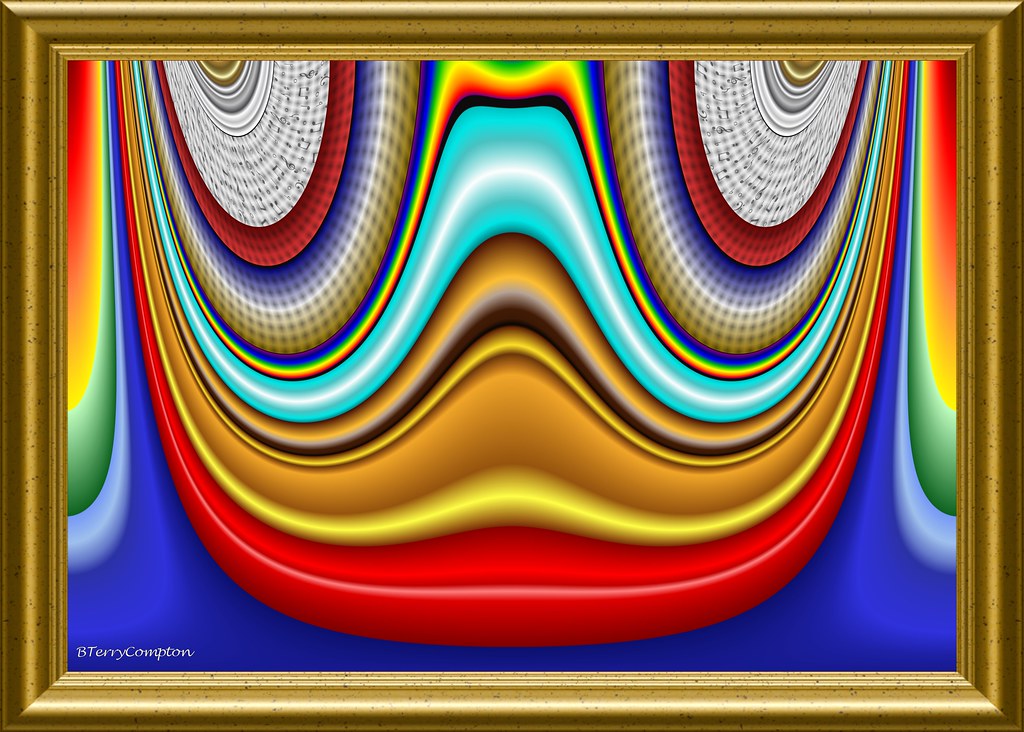
At its core, the convergence of reality and imagination in art photography invites artists to reinterpret the world around them. This duality gives way to unique interpretations and narratives that resonate on multiple levels.
Art as a Reflection of Realities
Artists are increasingly using their work to reflect societal truths, emotions, and the chaos of contemporary life. Through selective framing and strategic composition, photographers are not only documenting life but also evoking feelings and provoking thought.
- Documentary Approaches: Many photographers are embracing documentary styles, capturing candid moments that reveal the essence of human experience. This approach serves as a powerful commentary on social issues.
- Cinematic Techniques: Utilizing cinematic techniques within photography adds layers of storytelling. Dramatic lighting, depth of field, and carefully orchestrated scenes allow artists to craft narratives that blur the line between photography and film.
Imagination Takes Flight
While capturing reality is crucial, the realm of imagination offers boundless possibilities. The use of surrealism and abstraction in art photography has become increasingly popular, pushing the boundaries of what photography can achieve.
- Surreal Stages: Photographers are constructing surreal environments, often using digital manipulation to create fantastical realms that challenge the viewer’s imagination.
- Symbolism and Metaphor: Artists frequently employ symbolic elements in their compositions, inviting deeper interpretations and encouraging viewers to seek meaning within the chaos.
Techniques for Bridging Reality and Imagination
As the art photography scene evolves, photographers are exploring innovative techniques to merge reality with their imaginative visions. Here are several techniques driving this convergence:
Layering and Double Exposure
Layering images is a powerful technique that allows artists to juxtapose different realities. Double exposure techniques enable the fusion of two separate images into one, creating a striking visual narrative.
Digital Manipulation
With advancements in software, digital manipulation has become a staple in art photography. Artists can seamlessly blend photographic elements, create full-fledged fantasy landscapes, or enhance colors to evoke emotions.
Creative Lighting Techniques
Lighting plays a crucial role in setting the tone of a photograph. From dramatic shadows to ethereal glows, creative lighting can transform an ordinary photograph into an extraordinary visual experience.
Cultural Influence and Community Engagement
Art photography in 2026 is not just about individual expression; it’s also about community engagement and cultural dialogues. Photographers are increasingly recognizing the influence of their work on society and are using their platforms to inspire conversations.
Community-Based Projects
Collaborative projects that involve local communities are becoming more prevalent. Photographers are working with participants to document their stories, using art as a means of empowerment and giving a voice to the unheard.
Global Perspectives
The global exchange of ideas in art photography is enriching the medium. Photographers are drawing inspiration from diverse cultures, integrating these influences into their work, and fostering a deeper understanding of global narratives.
The Role of Social Media in Art Photography
In 2026, social media platforms continue to play a significant role in the dissemination of art photography. They serve not just as gallery spaces but also as platforms for discussion and community building.
Building an Audience
Photographers are leveraging social media to reach audiences directly. By sharing their processes, stories, and finished pieces, they create a connection that transcends traditional gallery spaces.
Engagement and Feedback
Social media allows for immediate feedback from viewers, fostering an interactive dialogue that can inspire artists to evolve their techniques and themes based on audience engagement.
Looking Ahead: The Future of Art Photography
The fusion of reality and imagination in art photography is likely to evolve further in the coming years. As technology advances, we can anticipate even more innovative approaches, including augmented reality and immersive experiences that invite viewers to step into the artistic world.
Augmented Reality Experiences
Artists are beginning to experiment with augmented reality, creating immersive experiences that allow viewers to interact with photography in unprecedented ways.
Continuing the Dialogue
The conversation around societal issues, identity, and community engagement will continue to shape art photography as photographers use their art as a catalyst for change.
Conclusion
The exploration of art photography in 2026 emphasizes the beautiful complexity of merging reality with imagination. As artists embrace innovative techniques and engage with cultural dialogues, they are redefining the very essence of photography itself. This year marks a pivotal moment in which art photography becomes not only a means of expression but also a profound commentary on the human experience.
0 Comments