The Changing Landscape of Art Photography
The realm of art photography has undergone significant evolution over the last few years, particularly as we step into 2026. New technologies, cultural shifts, and artist-driven innovations are reshaping how we perceive and create art through photography. In this article, we will explore the current trends and techniques that are defining the art photography scene while reflecting on the deeper implications for artists and audiences alike.
Current Trends in Art Photography
- Hybrid Techniques: Artists are increasingly blending traditional photography methods with modern digital editing tools to create unique visuals that challenge the viewer’s perception.
- Social Commentary: The use of photography to address social issues continues to gain momentum, with more artists focusing their work on pressing global challenges such as climate change, inequality, and cultural identity.
- Immersive Experiences: Many photographers are experimenting with immersive installations, utilizing VR and AR to engage audiences in new ways, making photography a multi-sensory experience.
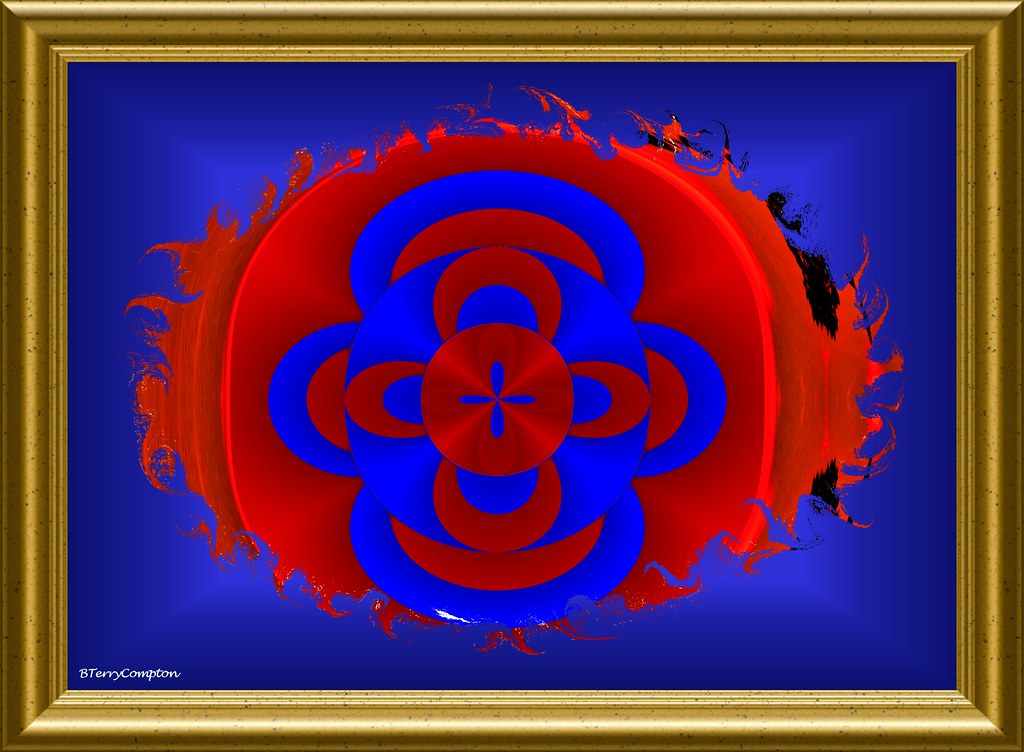
- Abstract Representations: Abstract photography is being redefined as artists push boundaries, focusing on shapes, colors, and textures as a means of expression rather than clear subject matter.
- Community Collaboration: Collaborative projects are gaining traction, encouraging artists to work together with local communities, prompting a dialogue that reflects diverse perspectives.
Innovative Techniques Shaping Art Photography
As the art photography scene evolves, so too do the techniques employed by photographers. Here are some innovative methods that are currently shaping the field:
- Long Exposure Photography: This technique allows photographers to capture movement over time, creating a mesmerizing effect that tells a story beyond a single moment.
- Light Painting: By using light sources during long exposure, artists can create stunning images that illuminate their subjects in unexpected ways.
- Double Exposure: Combining multiple images into one frame can produce surreal visuals, allowing artists to convey complex narratives and emotions.
- Drone Photography: Aerial perspectives are becoming more common, offering new viewpoints and allowing photographers to capture expansive scenes that were previously inaccessible.
- Pinhole Photography: This old-school technique is making a comeback as photographers explore its unique aesthetic, characterized by soft focus and vignetting.
The Emotional Impact of Art Photography
The emotional resonance of art photography is profound. Today’s photographers understand that their work can evoke feelings, provoke thoughts, and stimulate discussions. Here’s how they are achieving this: Also read: wak89 for more insights.
- Storytelling Through Imagery: Every photograph tells a story, and contemporary artists are harnessing this power to connect with audiences on a deeper level.
- Authenticity and Vulnerability: Many photographers are sharing their personal stories and struggles, which resonate with viewers, making their art relatable and impactful.
- Cultural Exploration: By focusing on their cultural backgrounds, photographers are inviting audiences to experience and appreciate diverse perspectives.
The Role of Technology in Art Photography
Technology continues to play a transformative role in the evolution of art photography. Here are some key areas where technology has made a significant impact:
- Camera Advancements: Improvements in camera technology, such as higher resolutions and better low-light performance, have empowered photographers to push the limits of their creativity.
- Editing Software: Advanced editing tools like Adobe Photoshop and Lightroom allow artists to manipulate images in ways that were not possible before, creating stunning visual effects.
- Online Platforms: Social media and online galleries have become crucial for photographers to showcase their work, reach global audiences, and foster community.
- AI Integration: Artificial intelligence tools are being used to streamline editing processes, suggest enhancements, and even help in composing images.
Looking Ahead: The Future of Art Photography
The future of art photography promises to be as dynamic and multifaceted as its present. Here are some potential developments to look forward to:
- Increased Focus on Sustainability: As environmental awareness grows, photographers are likely to focus more on sustainable practices and themes that highlight the beauty and fragility of our planet.
- Continued Exploration of Identity: Artists will continue to delve into identity politics, exploring race, gender, and sexuality through their work, fostering inclusivity and representation.
- Expansion of Interactive Installations: As technology advances, expect more interactive art installations that challenge traditional notions of viewing art and engage audiences in participatory ways.
- Integration with Other Art Forms: The blending of photography with other artistic mediums, such as painting and sculpture, will likely continue, leading to groundbreaking cross-disciplinary works.
In conclusion, the world of art photography is a vibrant tapestry of innovation, expression, and emotional depth. As we embrace the changing landscape, photographers and audiences alike will find new ways to connect, reflect, and inspire one another. The evolution we are witnessing today is just the beginning of a much larger dialogue in the realm of visual art.
0 Comments