Understanding Art Photography
Art photography, a genre that transcends mere documentation, captures the essence of emotions, stories, and concepts through visual storytelling. As we delve into 2026, this form of photography has evolved to embrace new technologies while staying grounded in traditional artistic principles. This article explores the nuances of art photography and its surprising connections to poetry, emotion, and technology.
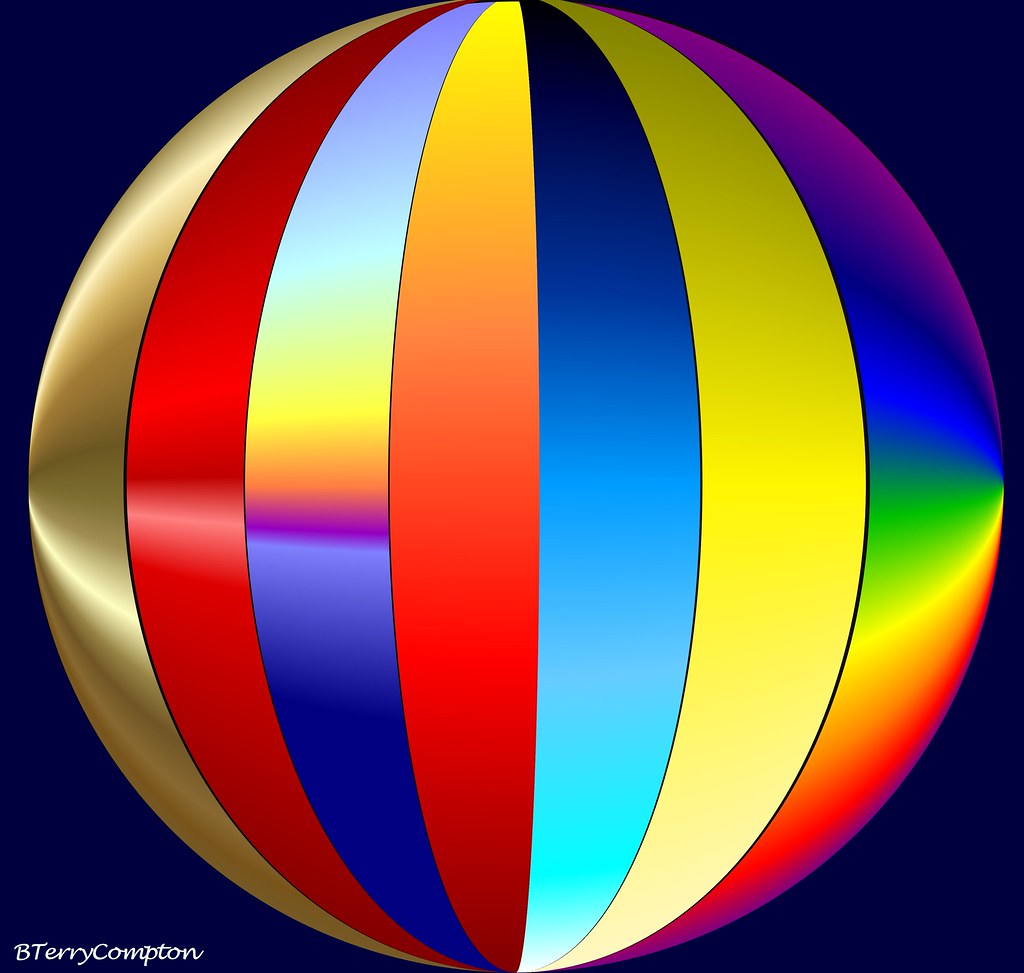
Visual Poetry: The Intersection of Art and Emotion
At its core, art photography is a form of visual poetry. Just like a poet uses words to evoke feelings, art photographers use images to convey complex emotions and narratives. The following elements contribute to this unique intersection:
- Imagery and Symbolism: Art photographers often employ symbolism to create deeper layers within their work. Just as poems use metaphor, art photography can transform ordinary objects into profound statements about life and existence.
- Composition: The arrangement of visual elements plays a critical role in both photography and poetry. A well-composed photograph can be likened to a perfectly structured verse, guiding the viewer’s eye and emotions.
- Emotion and Mood: Capturing the right moment can evoke a range of emotions, just as a striking line from a poem can resonate with a reader’s feelings. The best art photographers, like skilled poets, know how to manipulate light, color, and texture to stir specific emotions.
The Power of Storytelling
Storytelling remains a vital aspect of art photography. In 2026, innovative techniques allow photographers to share stories that may have been overlooked in the past. These techniques include:
- Multi-Frame Series: By combining multiple images into a series, photographers can create a narrative arc that explores different facets of a single subject or theme.
- Digital Collage: Artists are increasingly using digital tools to blend photographs with graphic elements, resulting in hybrid pieces that challenge traditional storytelling formats.
- Interactive Installations: The rise of mixed media allows photographers to engage audiences in new ways, enabling viewers to participate in the storytelling process through interactive experiences.
The Role of Technology in Art Photography
As we navigate the digital landscape of 2026, technology continues to transform how art photography is created and consumed. Here are some key advancements:
- Artificial Intelligence: AI-generated imagery is reshaping the artistic boundaries, prompting conversations about authorship and originality. Artists are increasingly integrating AI tools in their workflows to generate unique visuals.
- Virtual Reality (VR): The integration of VR in art photography allows viewers to experience a photograph in a three-dimensional space, providing a sense of immersion that traditional photography cannot offer.
- Augmented Reality (AR): AR allows photographers to overlay digital elements onto physical displays, creating a bridge between the real world and their artistic vision.
Sustainable Practices in Art Photography
With growing awareness of environmental issues, many contemporary photographers are adopting sustainable practices. This trend reflects a broader cultural shift toward eco-consciousness:
- Materials: Photographers are increasingly using eco-friendly materials in their prints and exhibitions, minimizing their environmental footprint.
- Storytelling: Many artists are using their platforms to raise awareness about environmental issues, capturing the beauty of nature while simultaneously highlighting the threats it faces.
- Community Engagement: Art photography is being used as a tool for community engagement, encouraging collective efforts to address environmental challenges through collaborative projects.
The Future of Art Photography
As we look ahead, the landscape of art photography will undoubtedly continue to evolve. Emerging artists will push boundaries, experimenting with new techniques and themes. Collaboration between disciplines—such as photography, literature, and music—will enhance the richness of visual narratives, leading to innovative forms of expression.
Conclusion
Art photography in 2026 stands at a fascinating crossroads of emotion, technology, and sustainability. By embracing the principles of visual poetry, photographers can touch the hearts and minds of viewers, creating images that resonate on a personal level. As the genre continues to evolve, it invites new perspectives, encouraging both practitioners and audiences to explore the myriad stories encapsulated within a single frame.
0 Comments